Schumacher Lab
As urbanisation intensifies in scale and complexity, the lab investigates architecture as an organisational system that structures interaction, enabling new forms of collaboration, productivity, and social exchange.
The lab focuses on the role of spatial frameworks in coordinating increasingly complex networks of activity, examining how architecture can amplify communicative and economic synergies through proximity, differentiation, and systemic coherence. It engages with the evolution of urbanism across both physical and virtual domains, including the metaverse, considering how emerging environments redefine patterns of work, learning, and collective life.
Positioned at the intersection of design, technology, and socio-economic systems, the lab approaches architecture as an active intelligence capable of organising high-density interactions across scales. It investigates how ordered complexity, legibility, and adaptive spatial organisation can sustain intensified forms of urban life, across both physical and virtual environments, anticipating new models of collective organisation and urban integration.
Research Agenda 2026
MEGA BUILDING
HIGH DENSITY URBANISM / CO LOCATION SYNERGIES
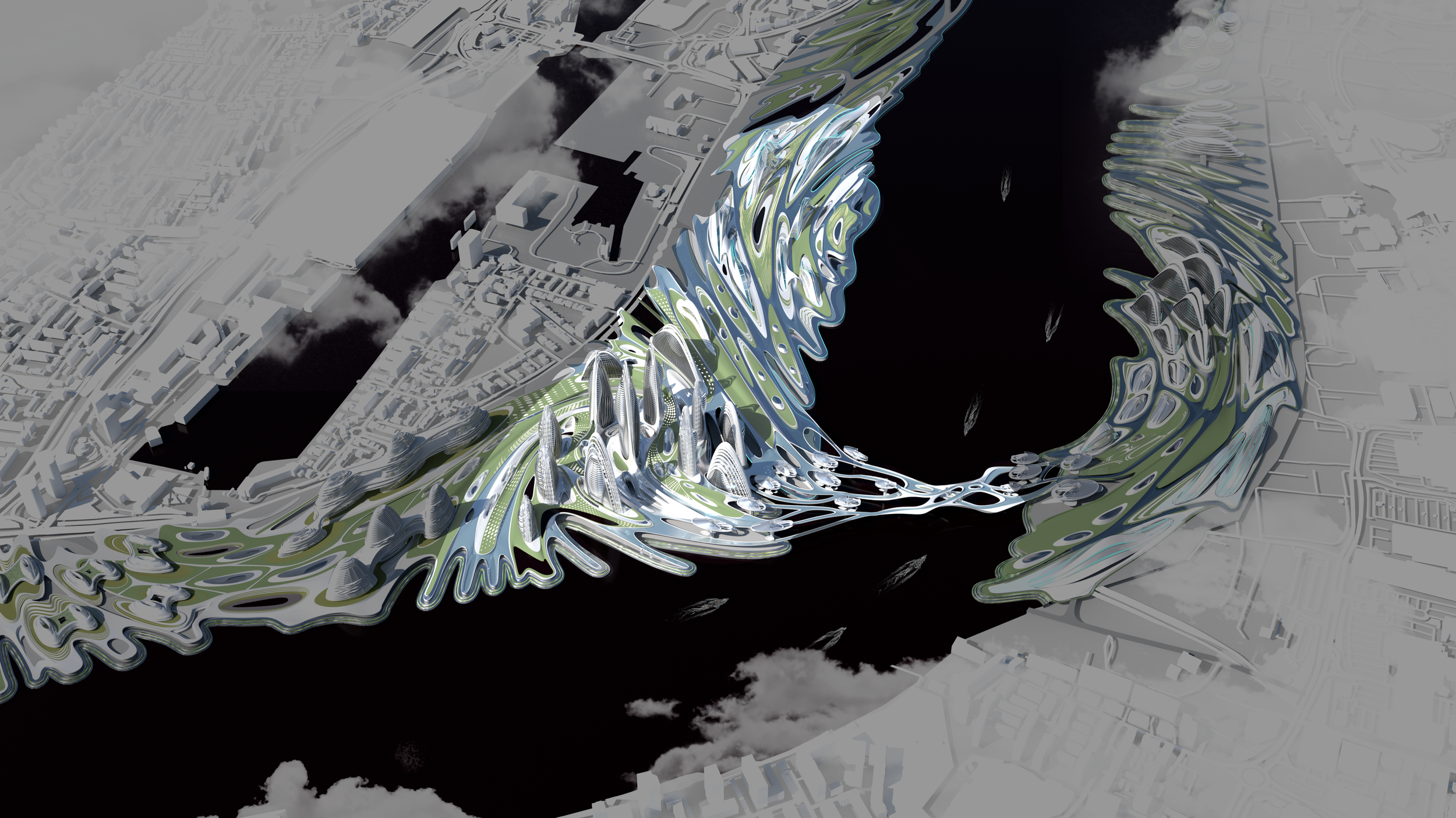
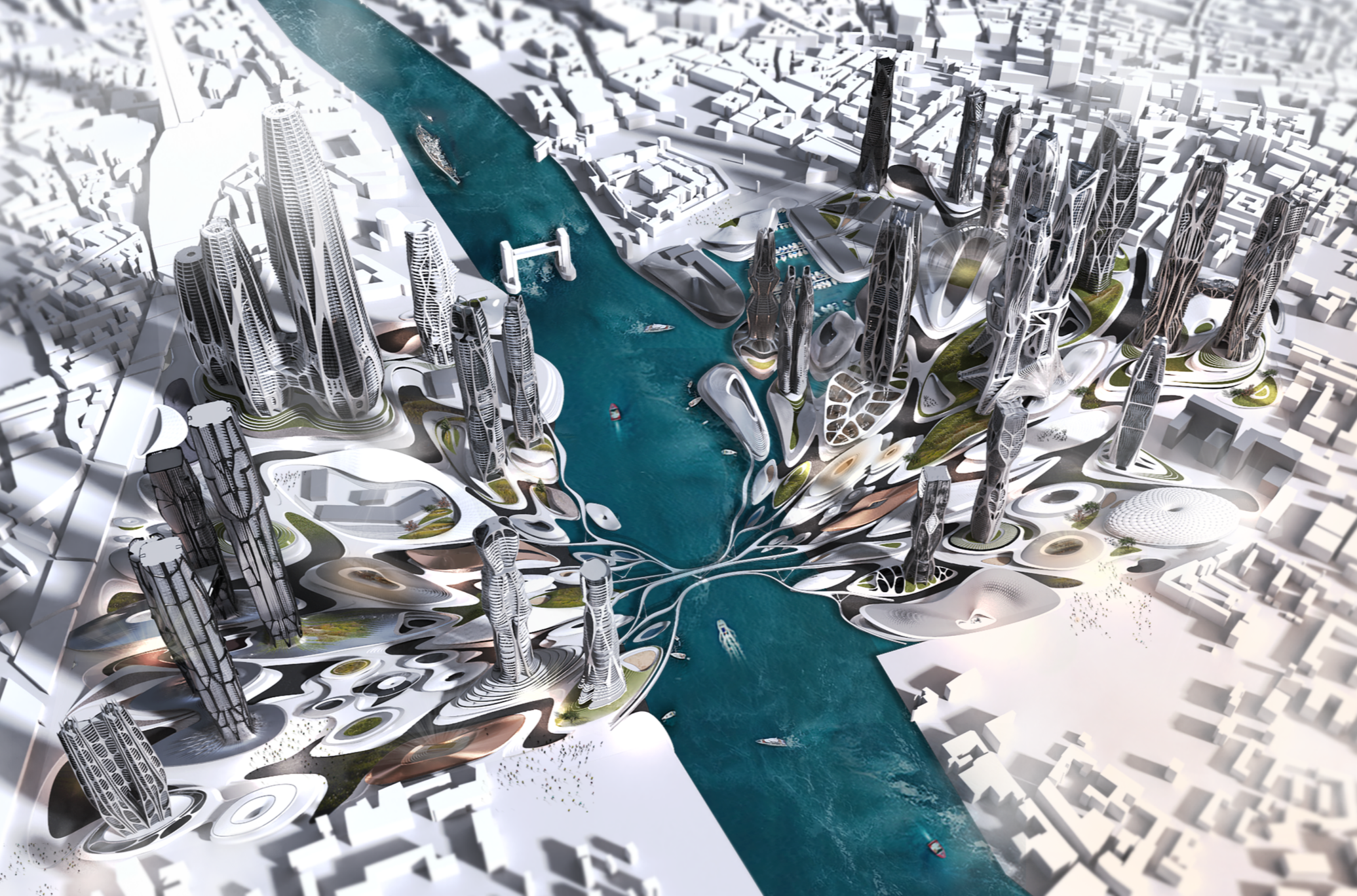
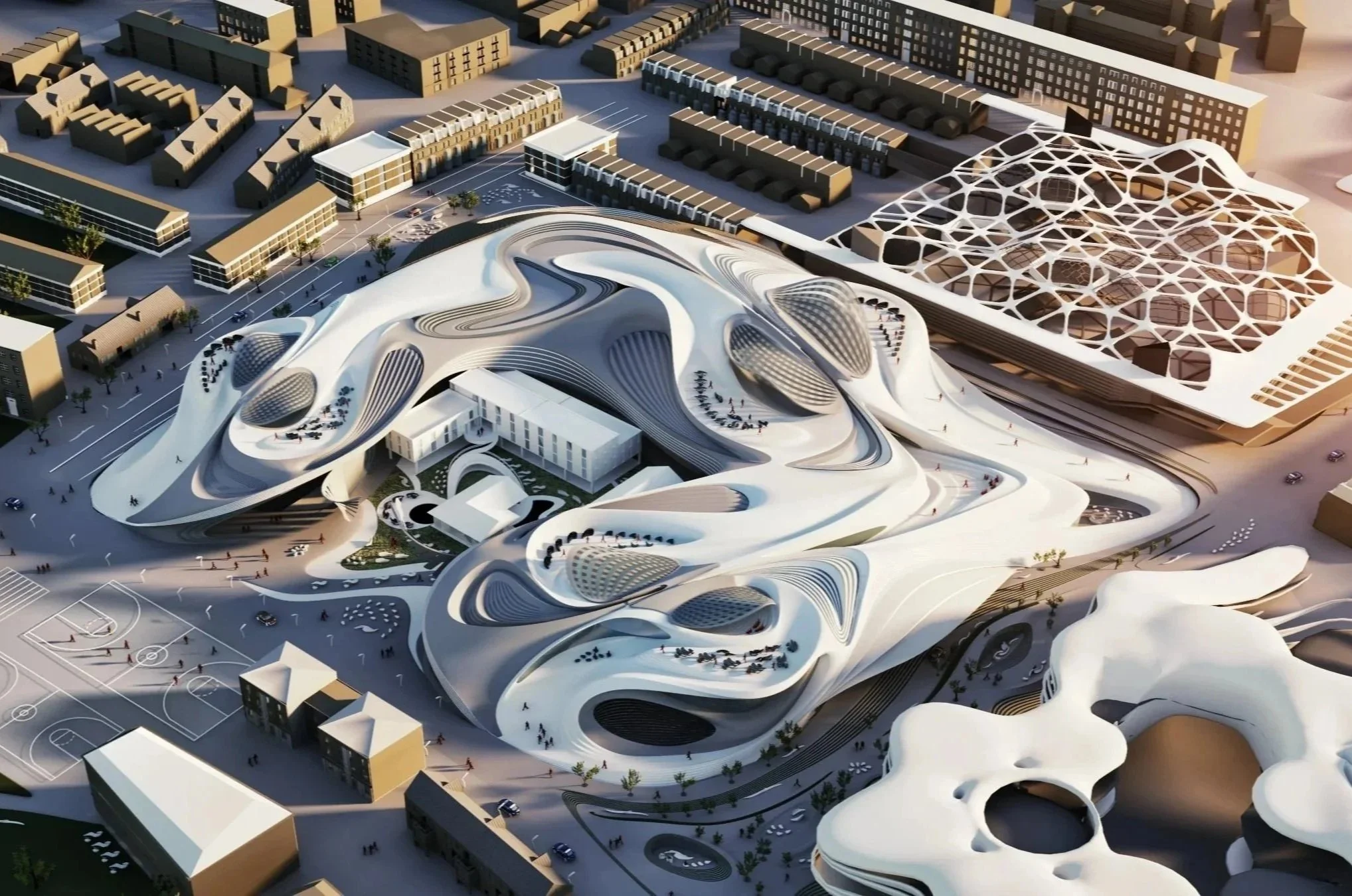
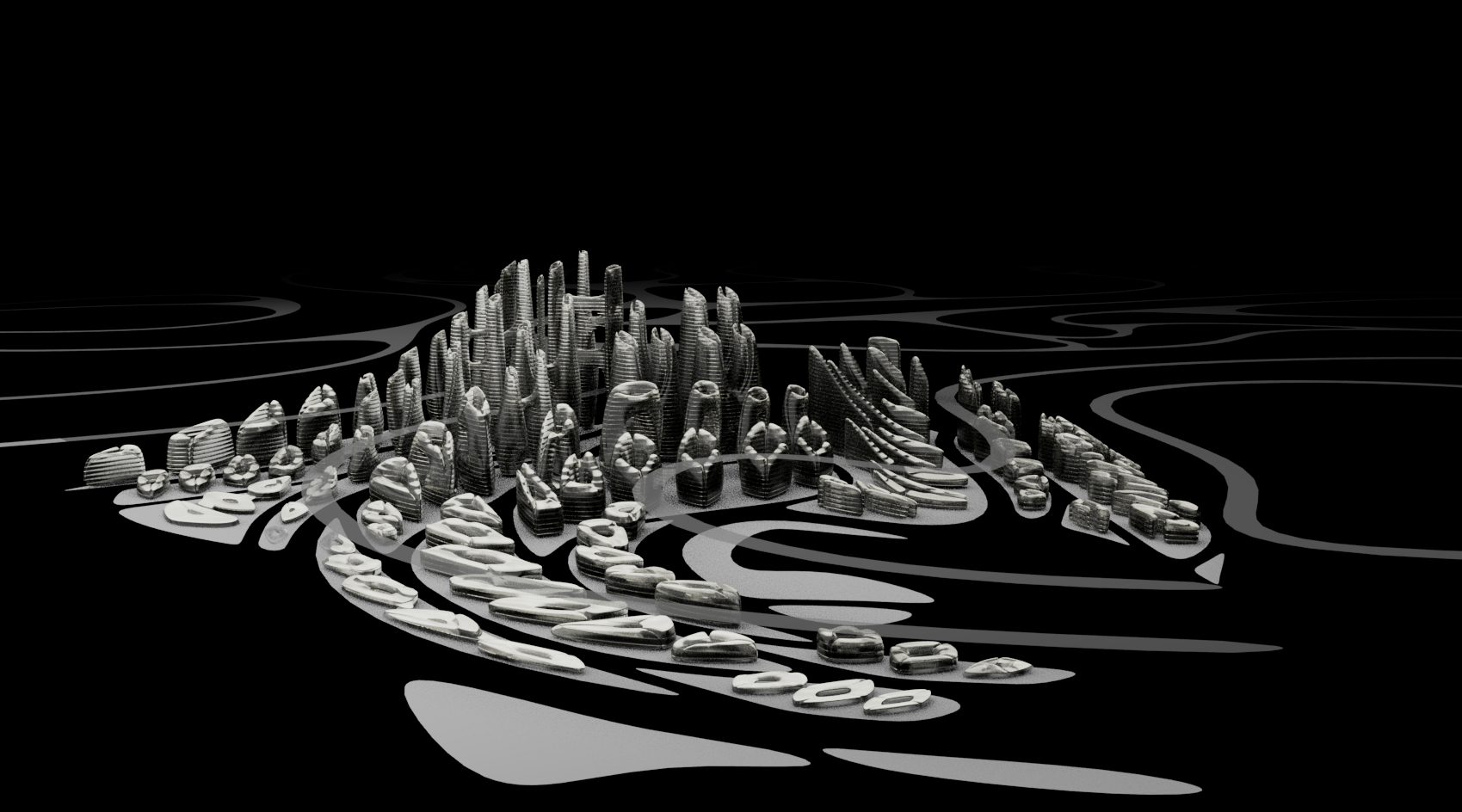
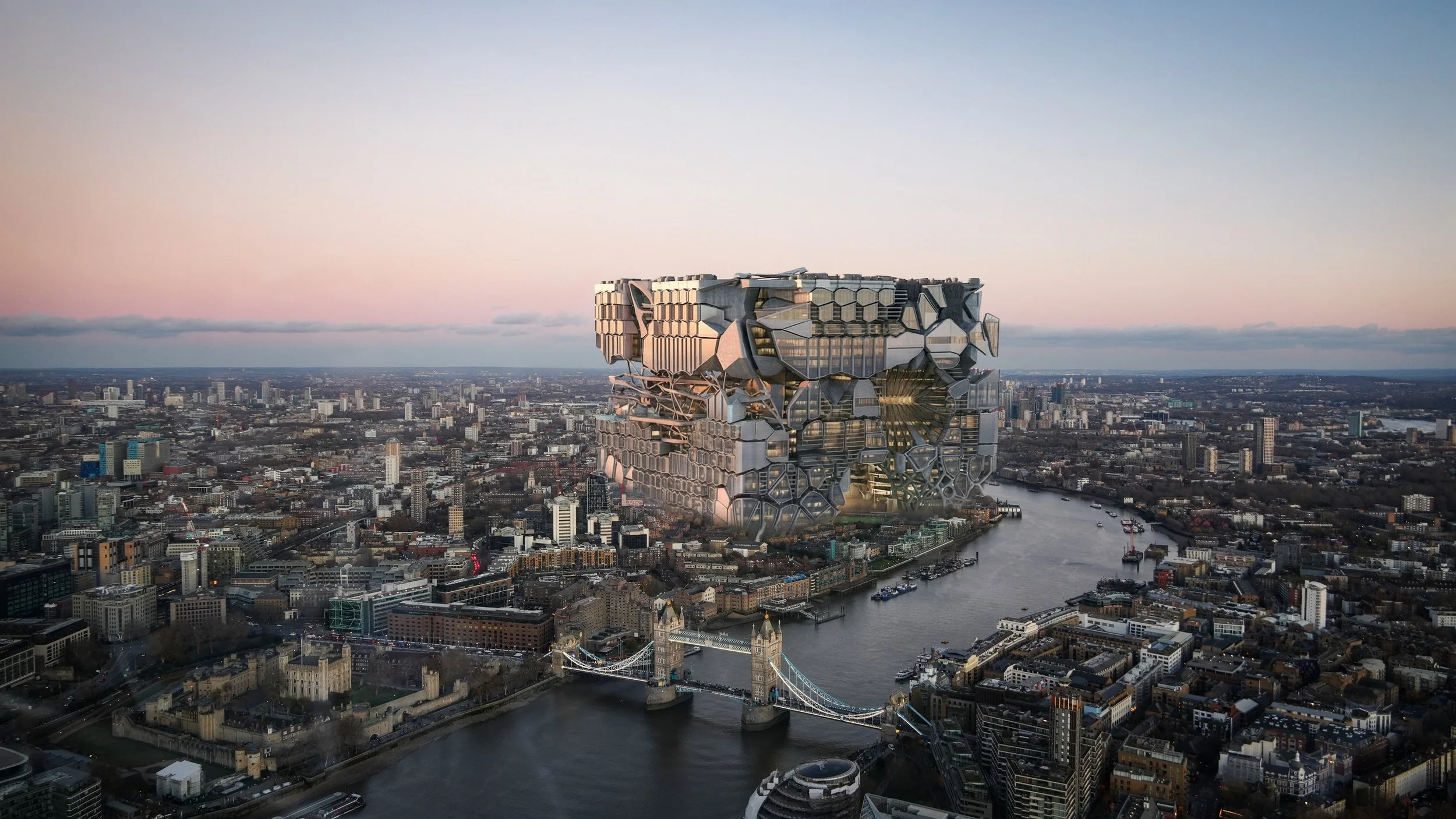
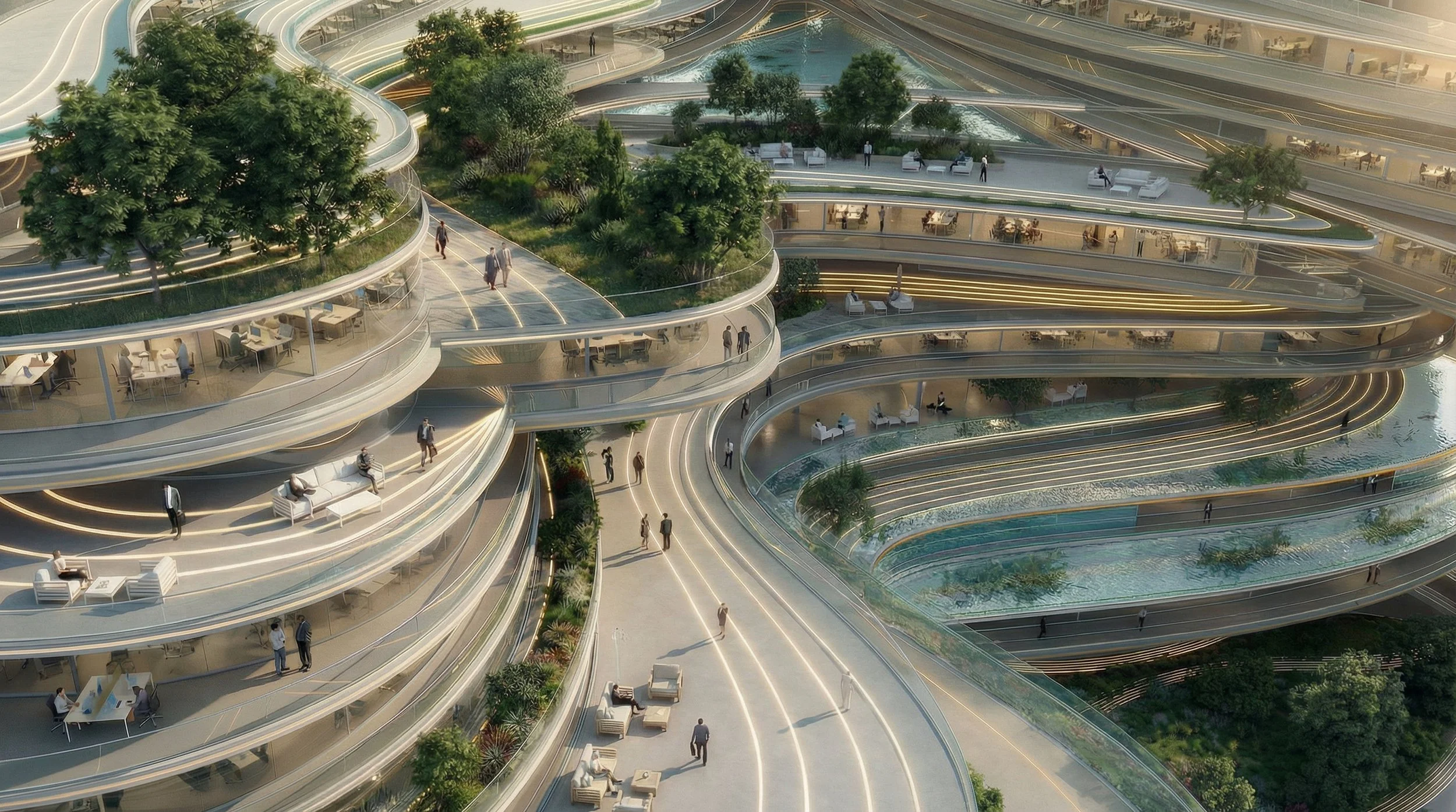
The lab explores the mega building as a contemporary urban type capable of delivering the functional intensity of an entire city district within a compact three dimensional framework. Responding to accelerated urbanisation and the demands of the knowledge economy, the research investigates how extreme density can amplify social, economic, and communicative interactions through spatial co location. The mega building is approached as a complex urban system composed of interdependent subsystems, including structure, circulation, occupiable surfaces, and envelopes. Through ordered differentiation, gradients, and systemic correlations, the lab seeks to maintain legibility and orientation within conditions of high complexity. Drawing on theoretical and built precedents of large scale urbanism, the lab frames architecture as an organisational intelligence capable of structuring complexity, enabling productive adjacencies, and intensifying collaborative urban life.