Angius Lab
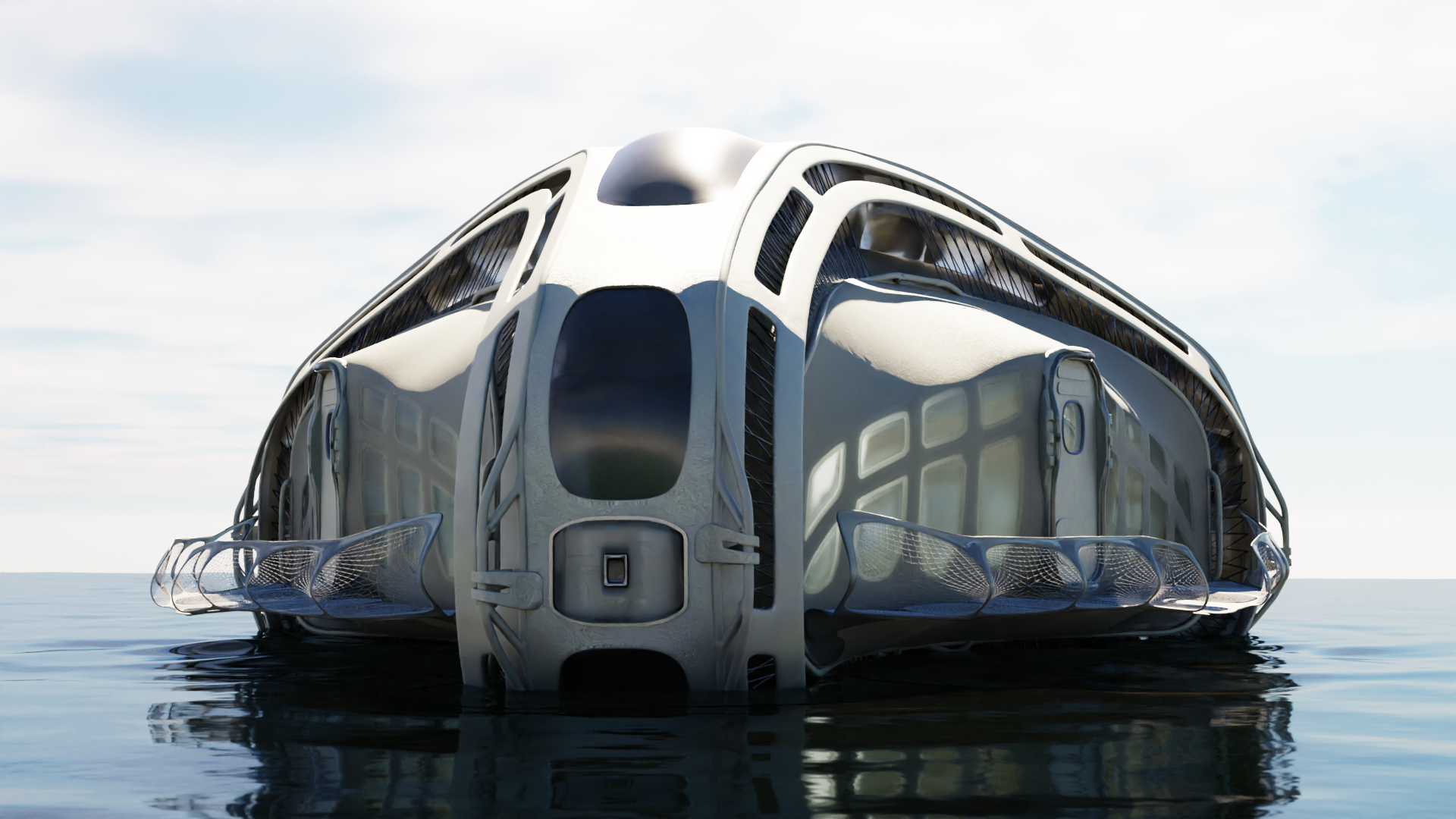
Amid escalating climate volatility and environmental uncertainty, Angius Lab investigates architecture as an adaptive system operating within dynamic planetary conditions. The lab explores design strategies for mobility and habitation, approaching the environment as a meteorological and ecological field that continuously shapes spatial and social organisation.
The lab develops responsive habitats and infrastructural systems that evolve in dialogue with natural processes, challenging fixed and rigid spatial boundaries. It focuses on underexamined and vulnerable territories, examining how architecture can engage anthropogenic and natural contexts through non-extractive systems, metabolic infrastructures, and circular resource logics.
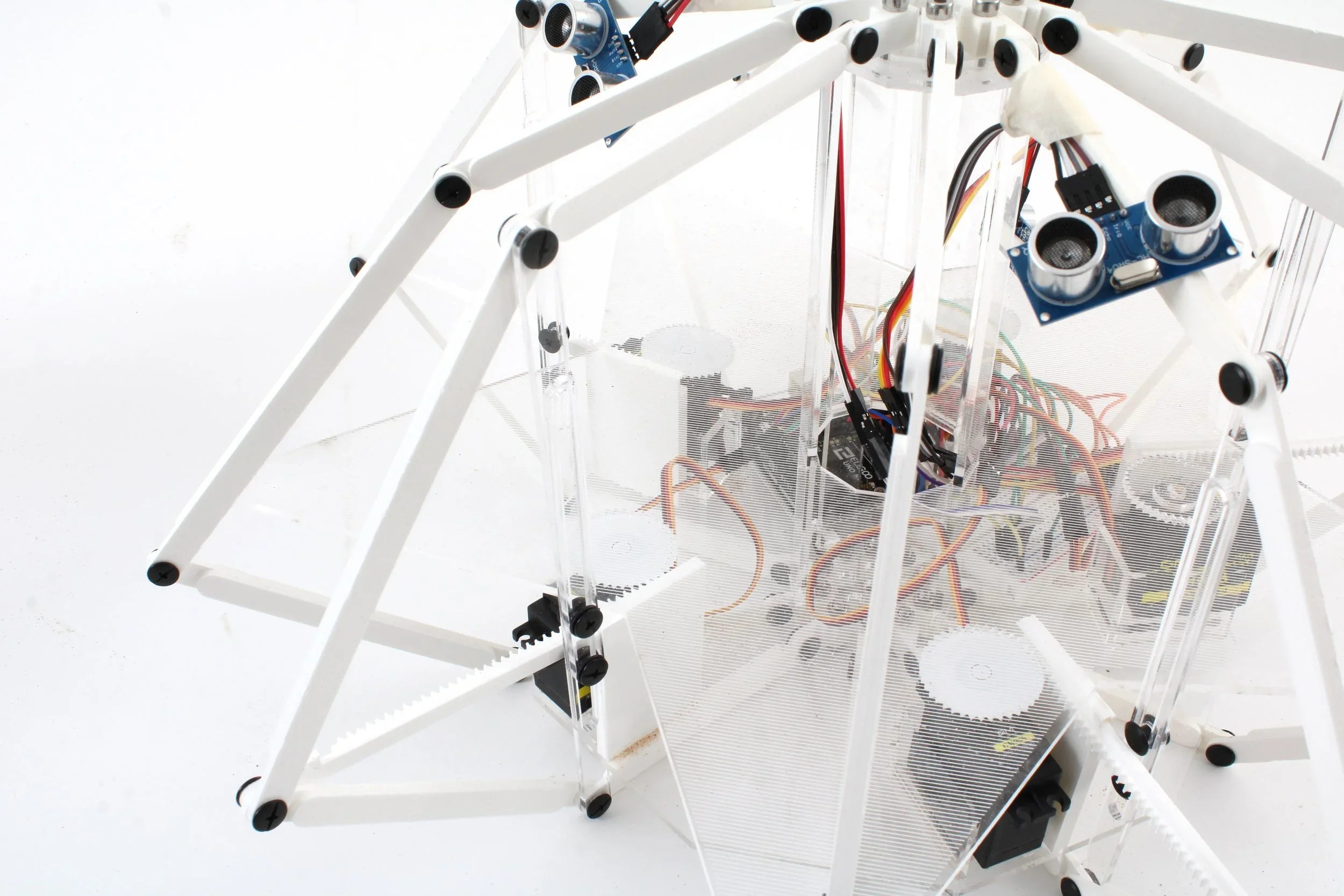
Operating across ecology, computation, and material systems, the lab investigates new forms of autonomy in movement, assembly, and occupation. It reconsiders habitability as an adaptive interface—capable of responding to environmental and programmatic change—while proposing collective, large-scale strategies for inhabitation that emphasise resilience, resource efficiency, and behavioural intelligence.
Research Agenda 2026
MOBILE HABITATS
CLIMATE VOLATILITY / METEOROLOGICAL INTELLIGENCE / RESOURCE SCARCITY
Angius Lab explores large-scale agile bionetworks as adaptive systems responding to climate volatility, resource scarcity, and social inequality. Moving beyond static and extractive models, the lab investigates fluid forms of urbanism that evolve in dialogue with planetary processes and human vulnerability. Through territories of scarcity—water-stressed regions, food-insecure landscapes, post-industrial sites, climate-threatened coastlines, post-disaster contexts such as earthquake-affected areas, and wildfire-prone territories—the lab examines non-extractive architectures, metabolic infrastructures, and circular economies as drivers of resilience and recovery. Data-driven design and advanced computational methods are central to the lab, enabling the prediction, simulation, and mitigation of dynamic environmental and social risks. By integrating environmental intelligence, adaptive systems, and industrial production logics, the lab proposes regenerative infrastructures that support post-disaster reconstruction, suggest multiple strategies of inhabitation, and foster diverse, community-based systems capable of responding to an uncertain planetary context.