
STATERA
Studio Pierandrea Angius
Tutor Ashwin Shah, Angel Tenorio, Anna Kondrashova
Team Shreya Gupta, Tolga Kaya, Yash Katare
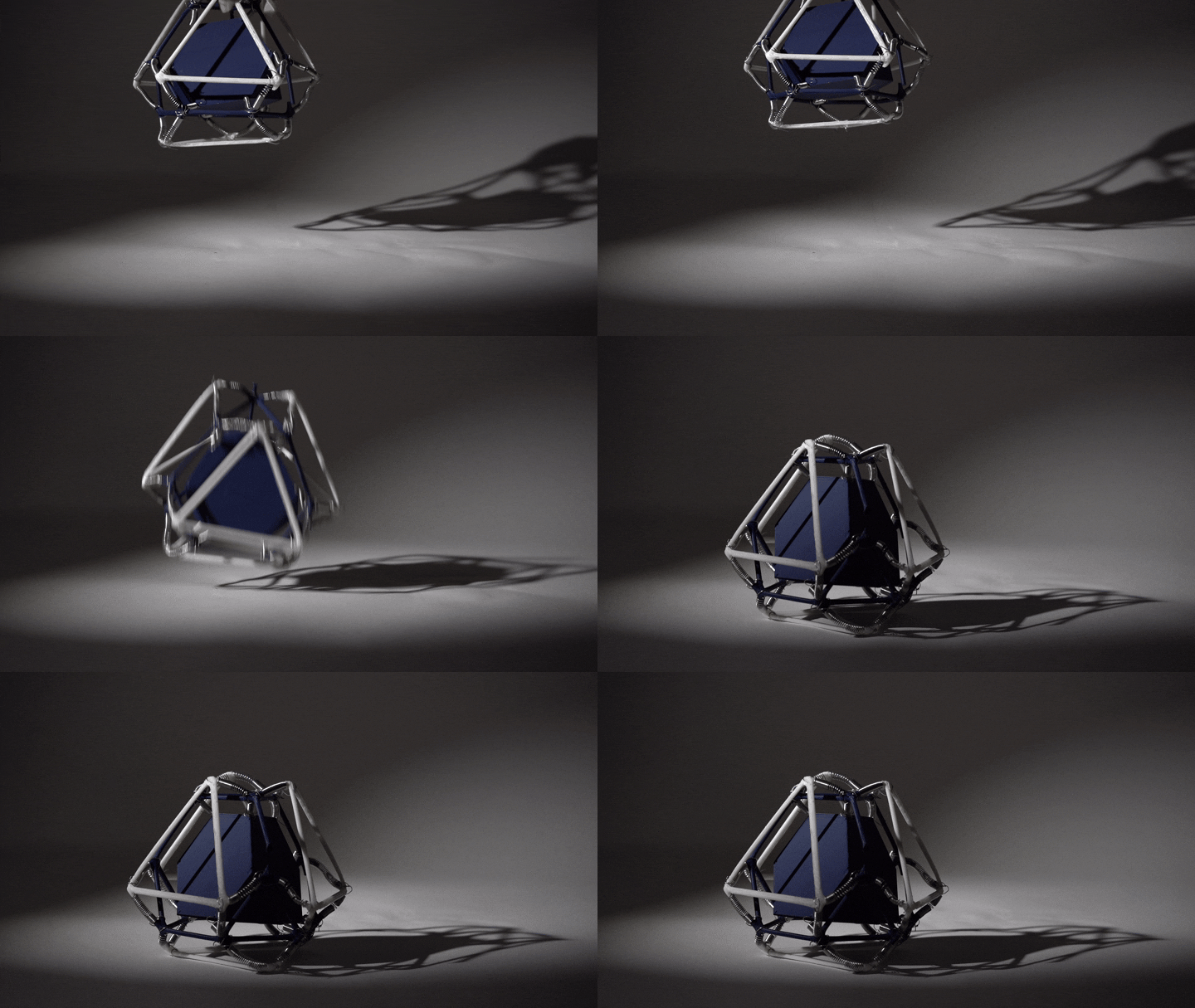
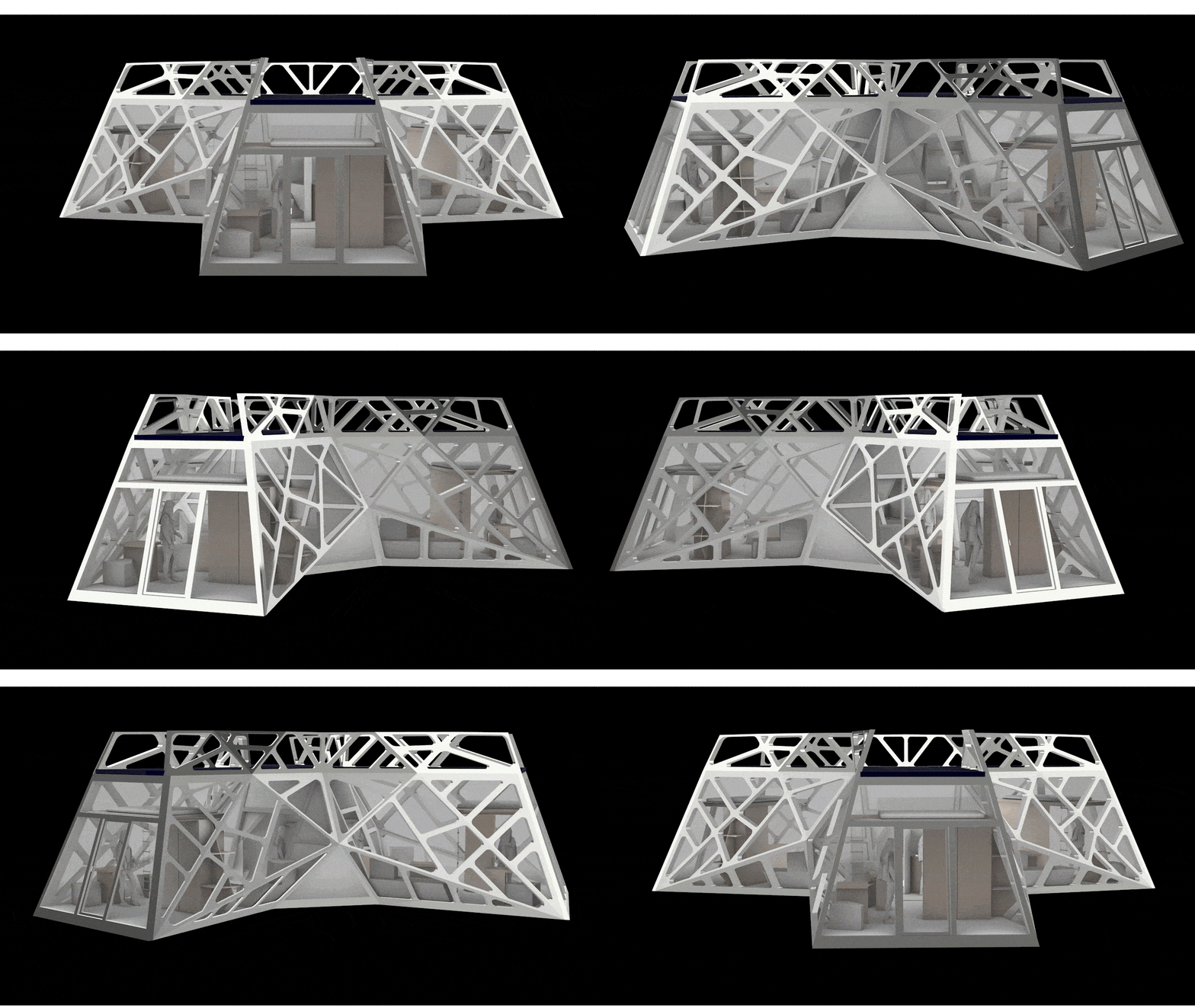
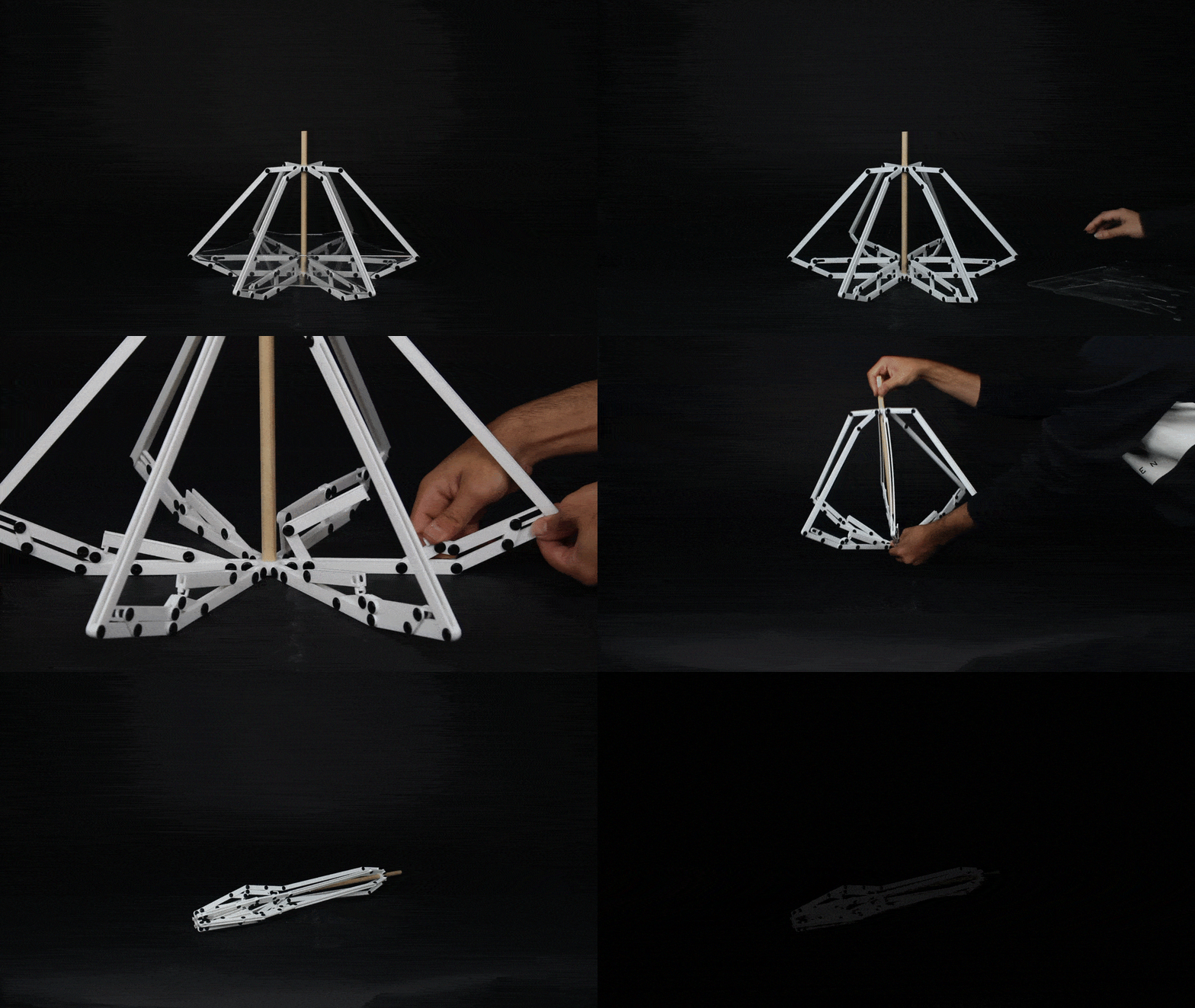
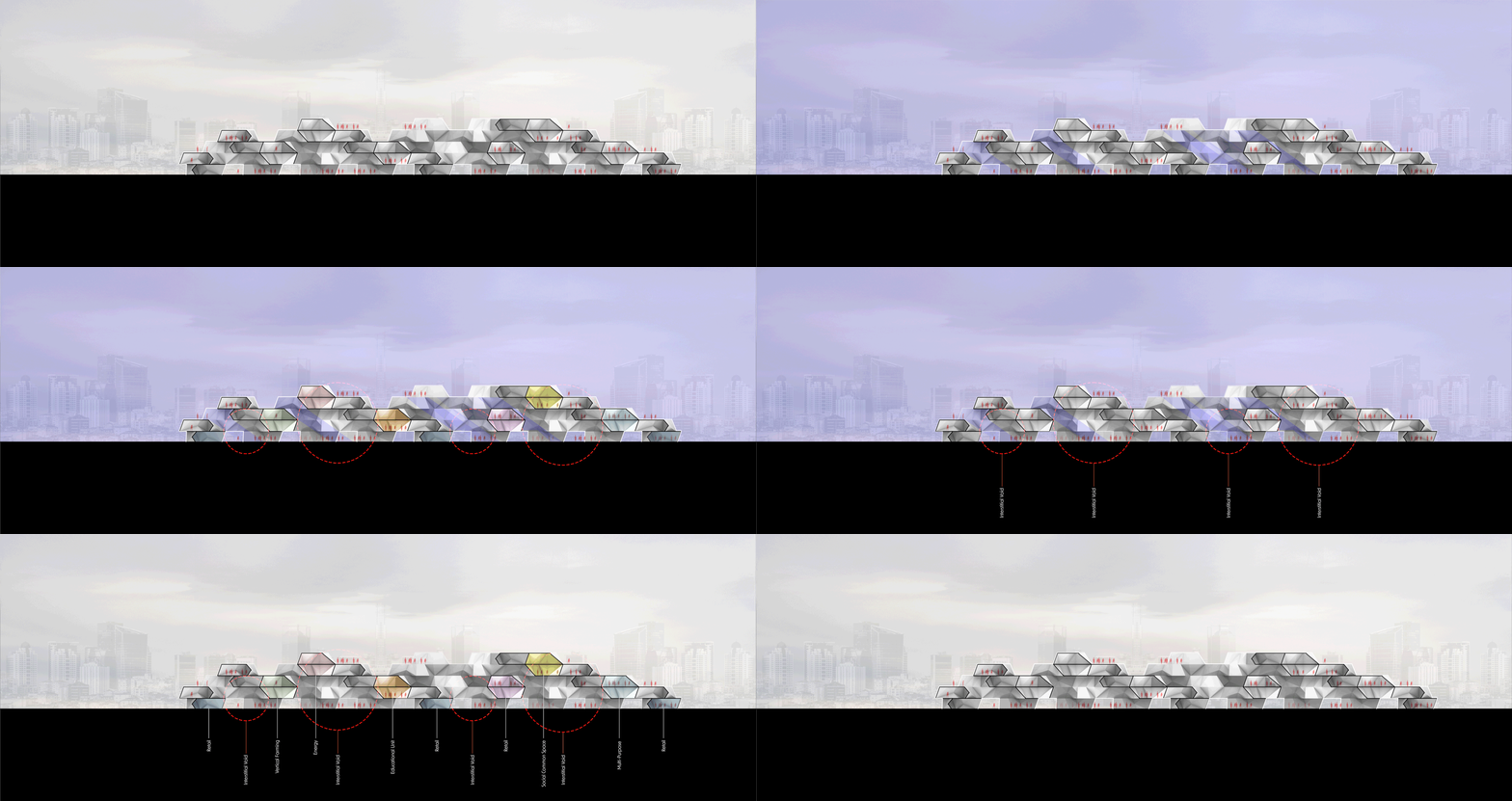
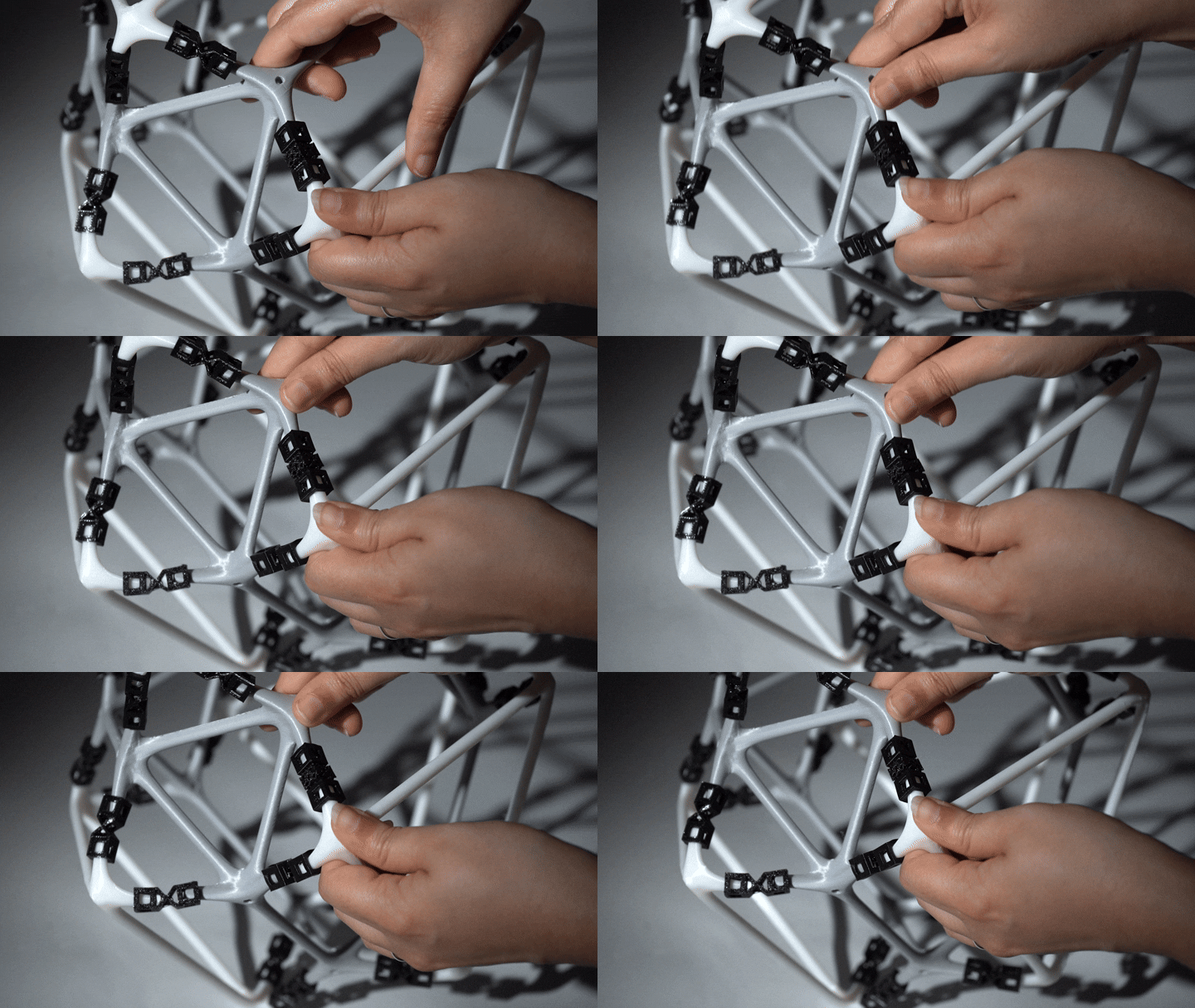
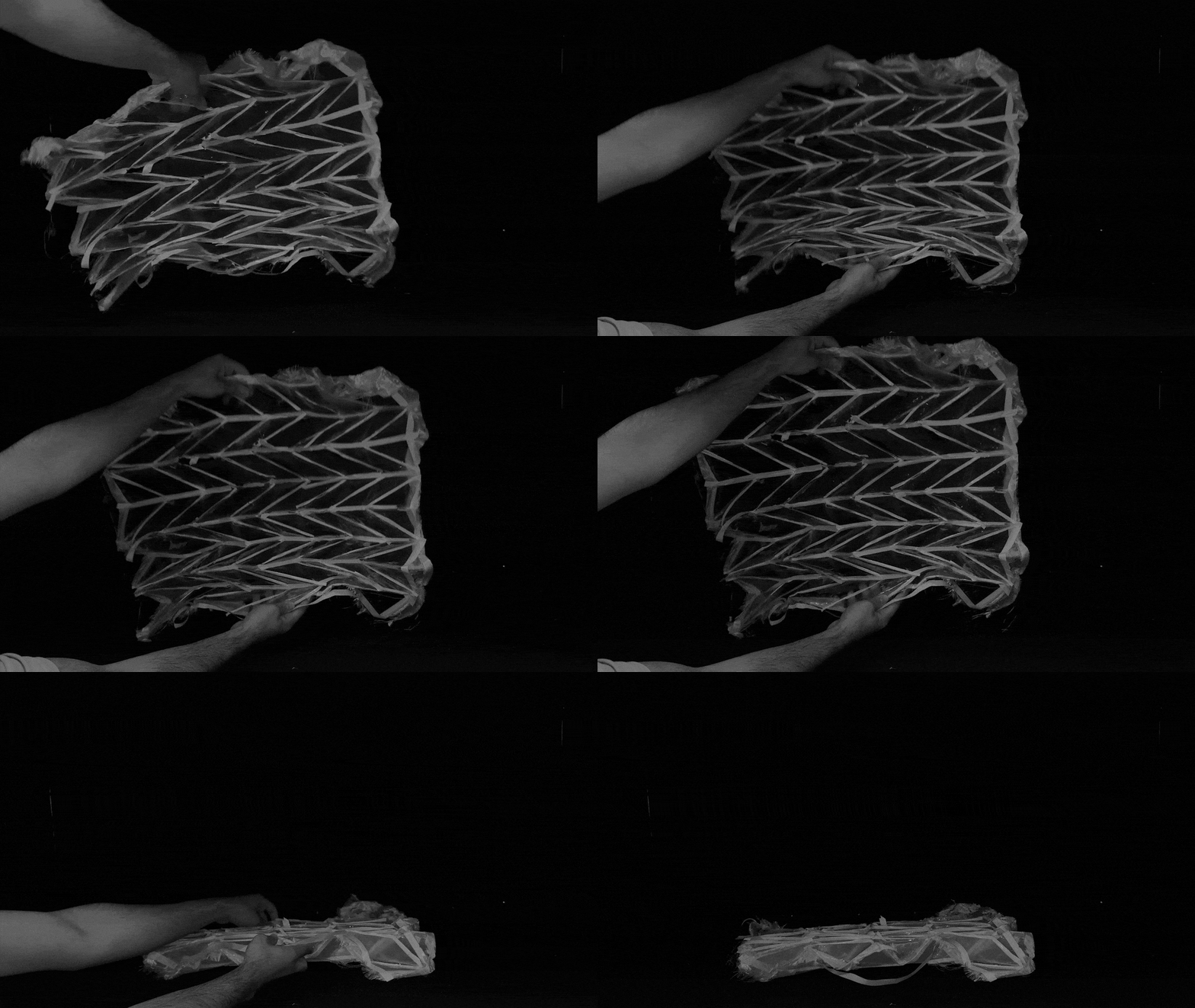
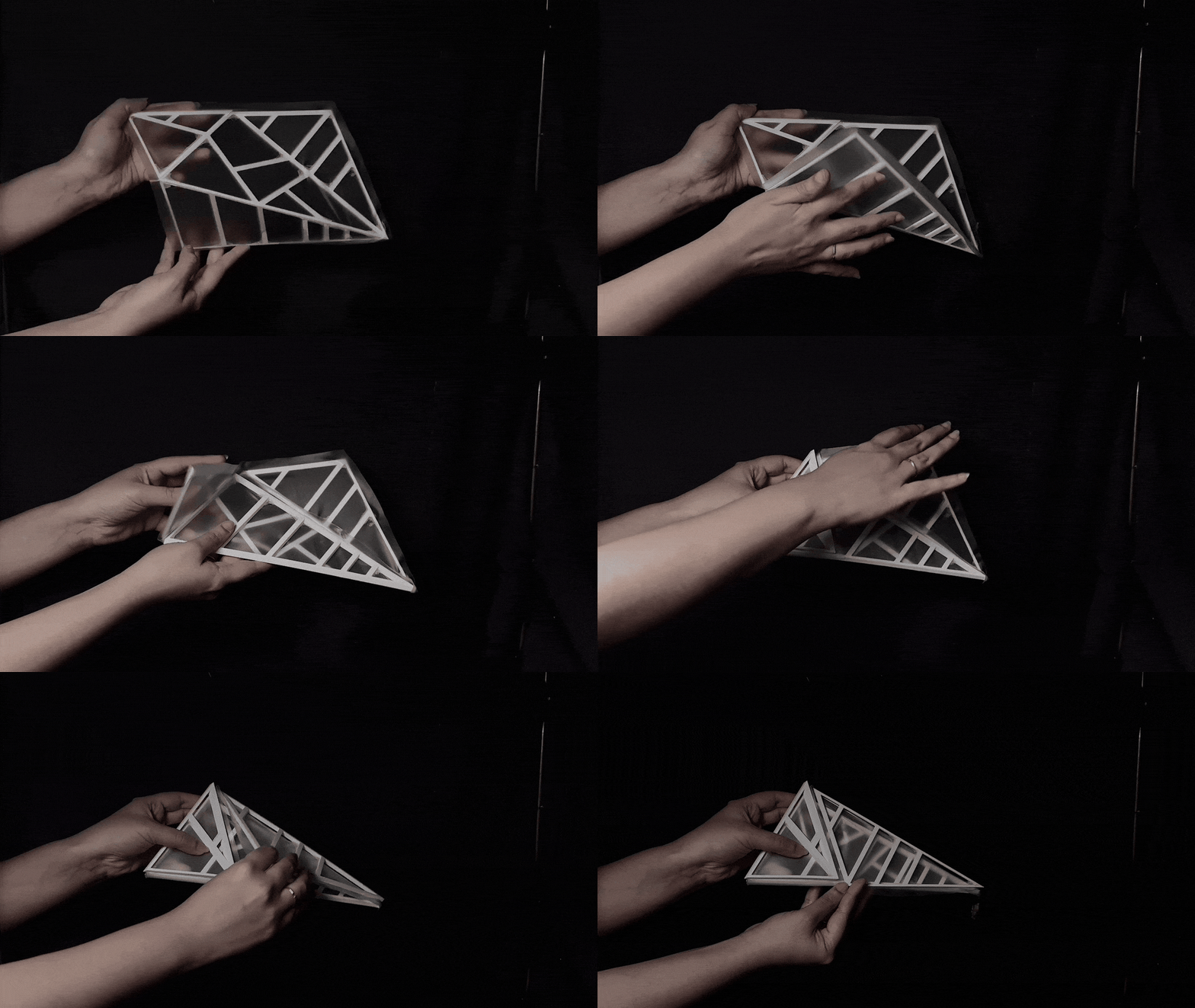
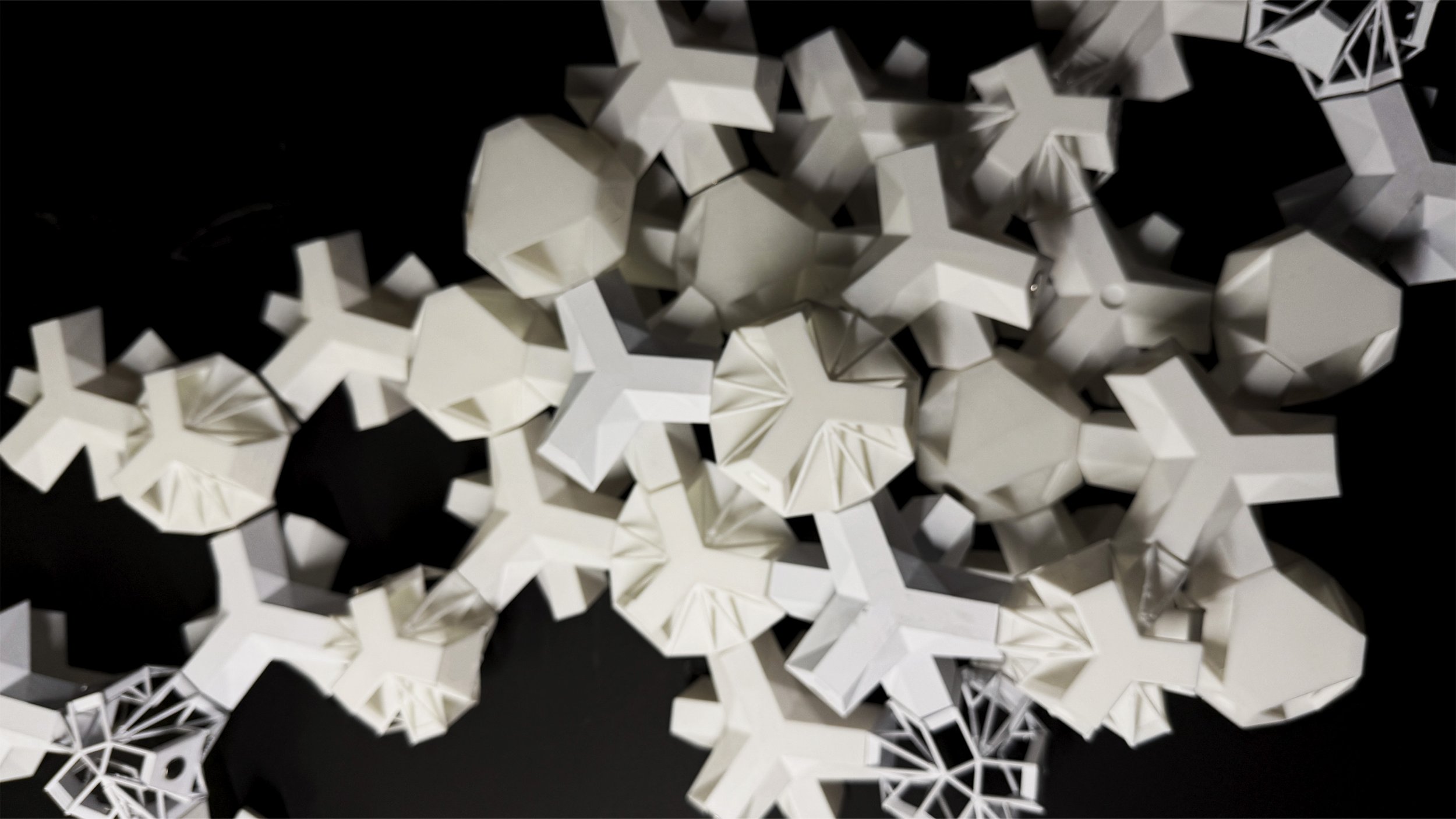
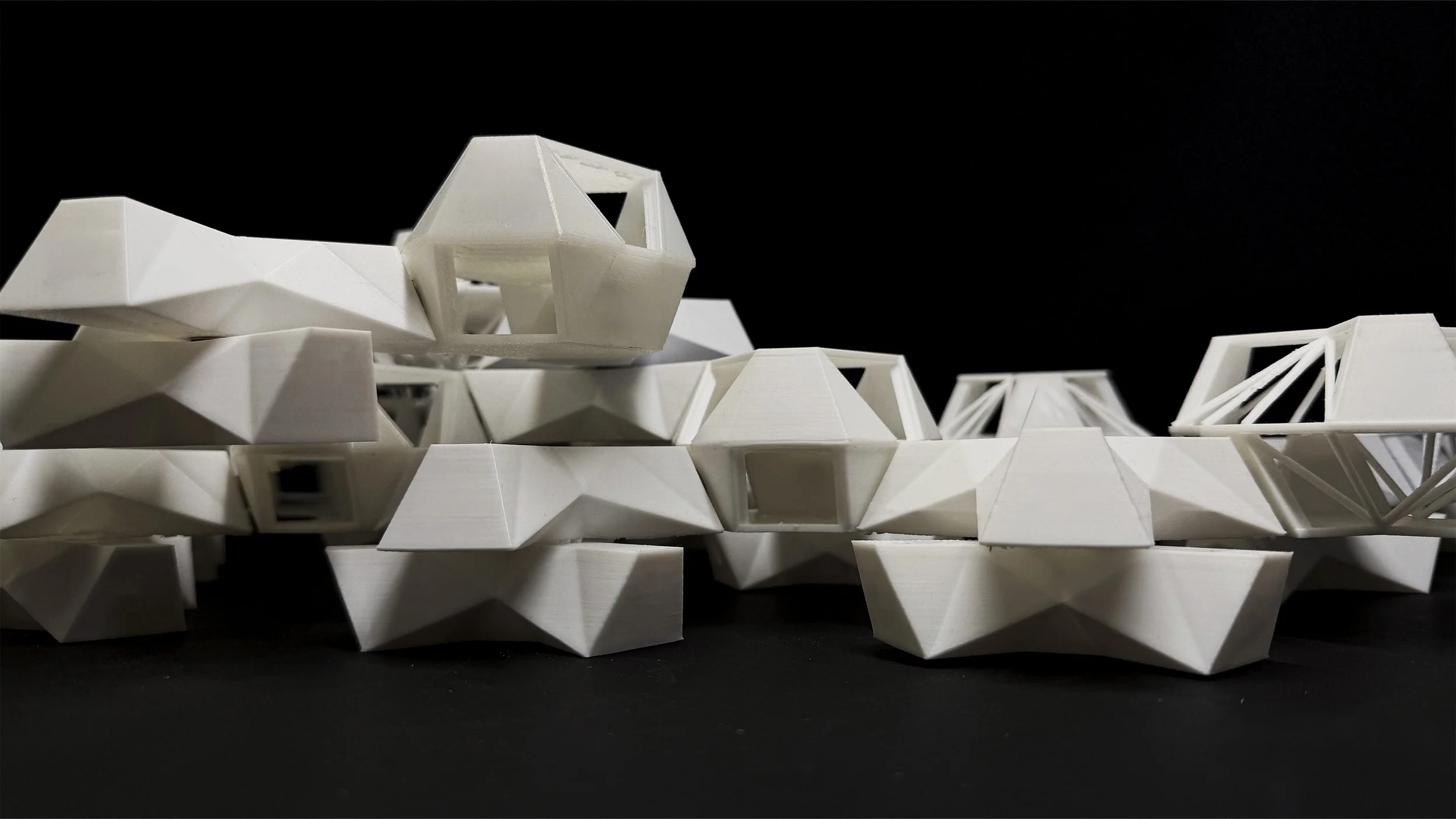
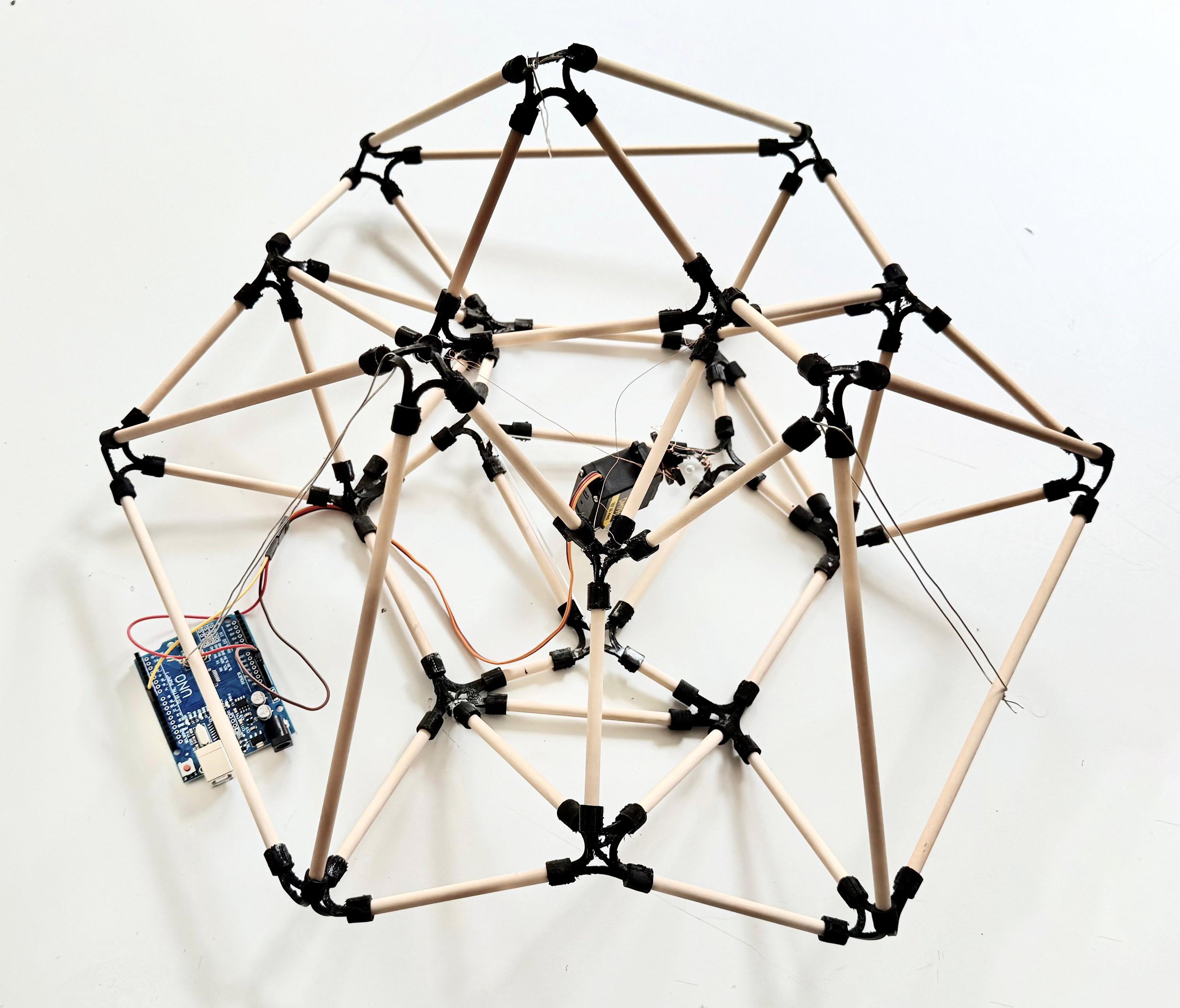
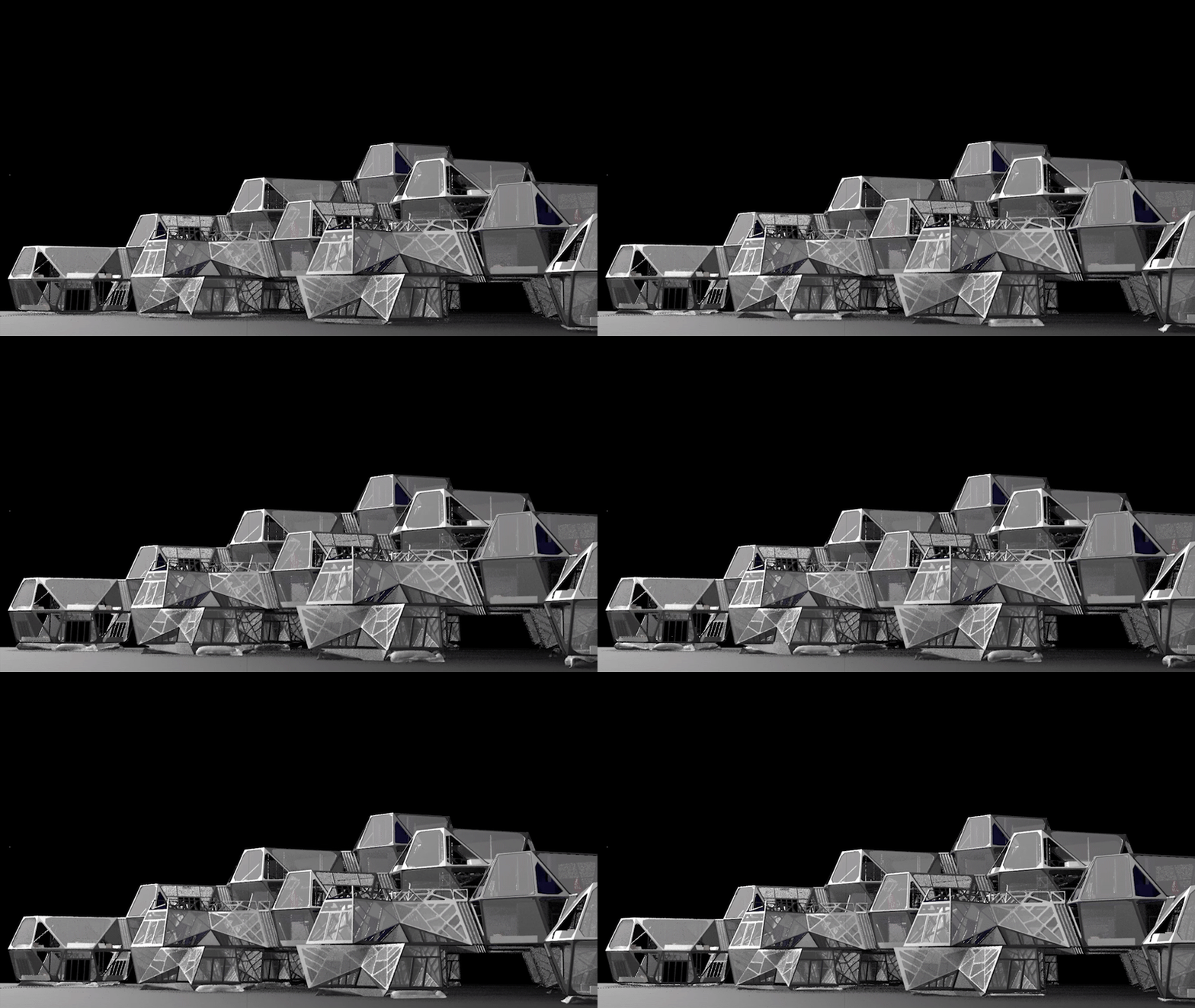
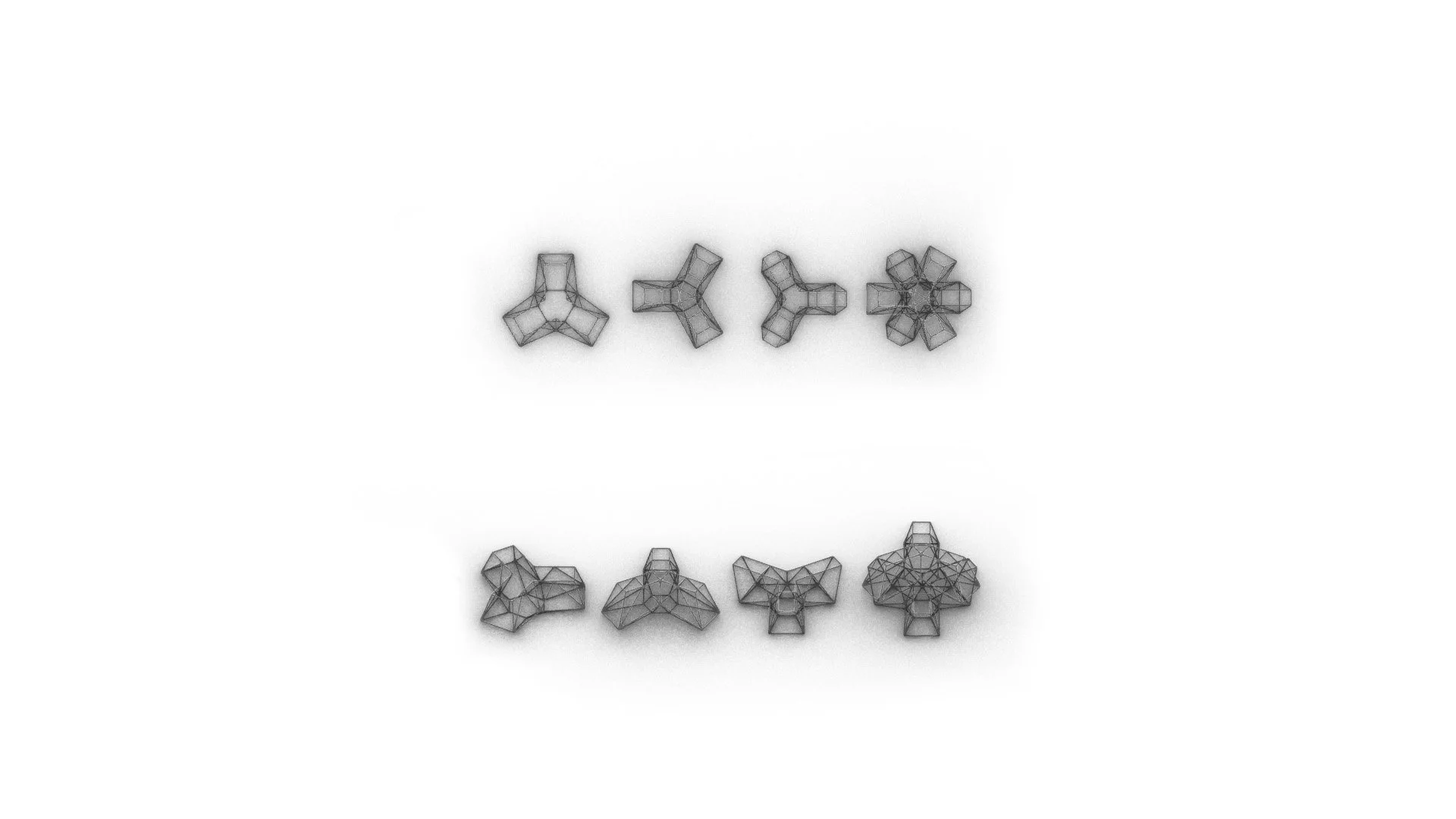
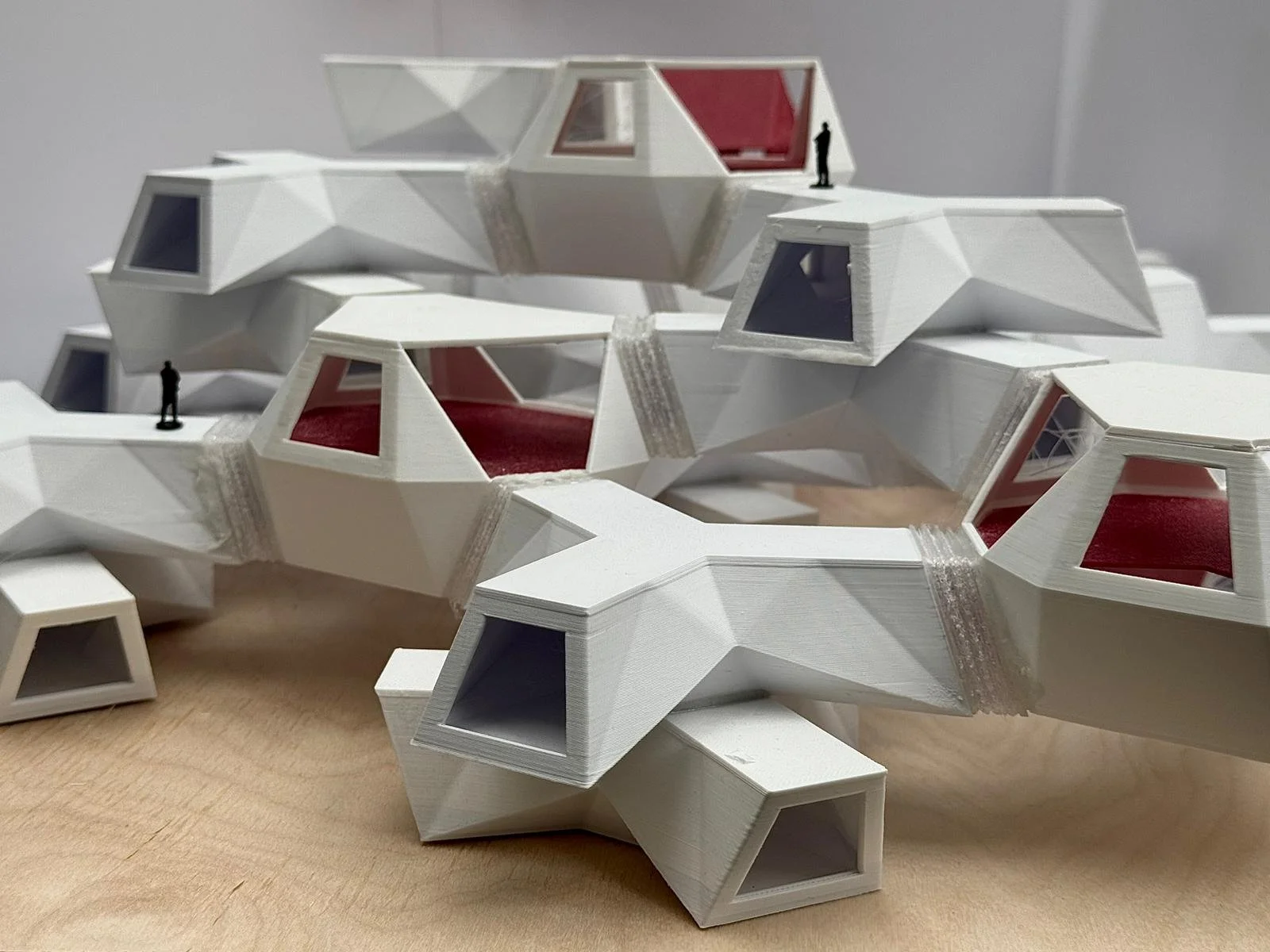
“Architecture as a collective is more than assembled parts; it is a living system built on shared strength, resources, and adaptability.” By enabling aggregation into distributed, interdependent communities, Statera aims to function as both immediate shelters and long-term frameworks for habitation, resource circulation, and ecological integration. They respond to scarcity by maximizing efficiency, adaptability, and mutual support, redefining the role of architecture as a mediator between human survival and planetary processes. Earthquakes themselves do not kill — it is the collapse of buildings and infrastructure that causes casualties. Rigid urban systems, dense populations, and poor construction practices turn natural seismic processes into human disasters. This makes earthquakes as much a social and architectural issue as a geological one. A house that rises into the air to escape the shaking ground; the unit is built atop a special air chamber system that remains dormant until a quake hits. When seismic sensors detect movement, compressed air is released into the chamber, lifting the house, just enough to prevent the structure from shaking violently with the earth below. Once the quake ends, the system gently lowers the house back into place. It would operate within 0.5 to 1 second of seismic detection, providing a rapid response that aims to protect. Developing flexible and reconfigurable shelters offers a resilient architectural response, sustaining life during seismic events and ensuring continuity in their aftermath. As part of our design process, we explored a variety of geometrical configurations, testing their potential for structure, adaptability, and inhabitable space. Statera becomes a form of activism: a tool for rethinking urbanism as a regenerative organism that breathes, sways, and endures in dialogue with planetary processes and human life. By drawing on strategies of resilience—ranging from pneumatic stabilization to flexible skin systems and polyhedral logics of aggregation—we propose an architecture, that can absorb, adapt, and evolve with environmental flux. This is an invitation to re-imagine urbanism as a fluid, regenerative organism—one that breathes, circulates, and transforms in harmony with the rhythms of nature and human life. “Statera – Grounded in Motion”