
DAY 1
INTRO:10:00
morning session: 10:30 - 13:30 // 08 Jan 26
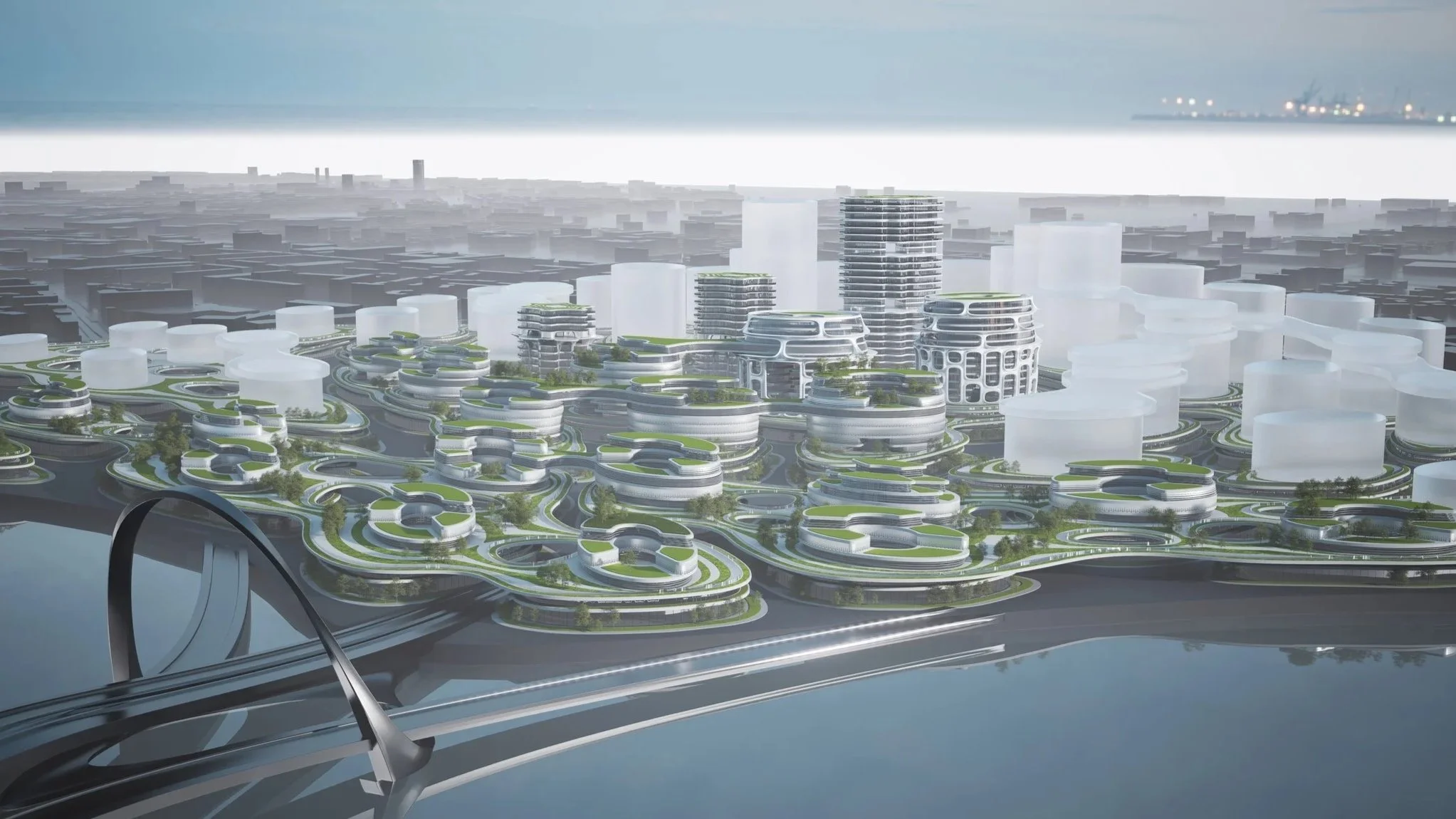
UpBridge City
Bhooshan Studio // 10:30
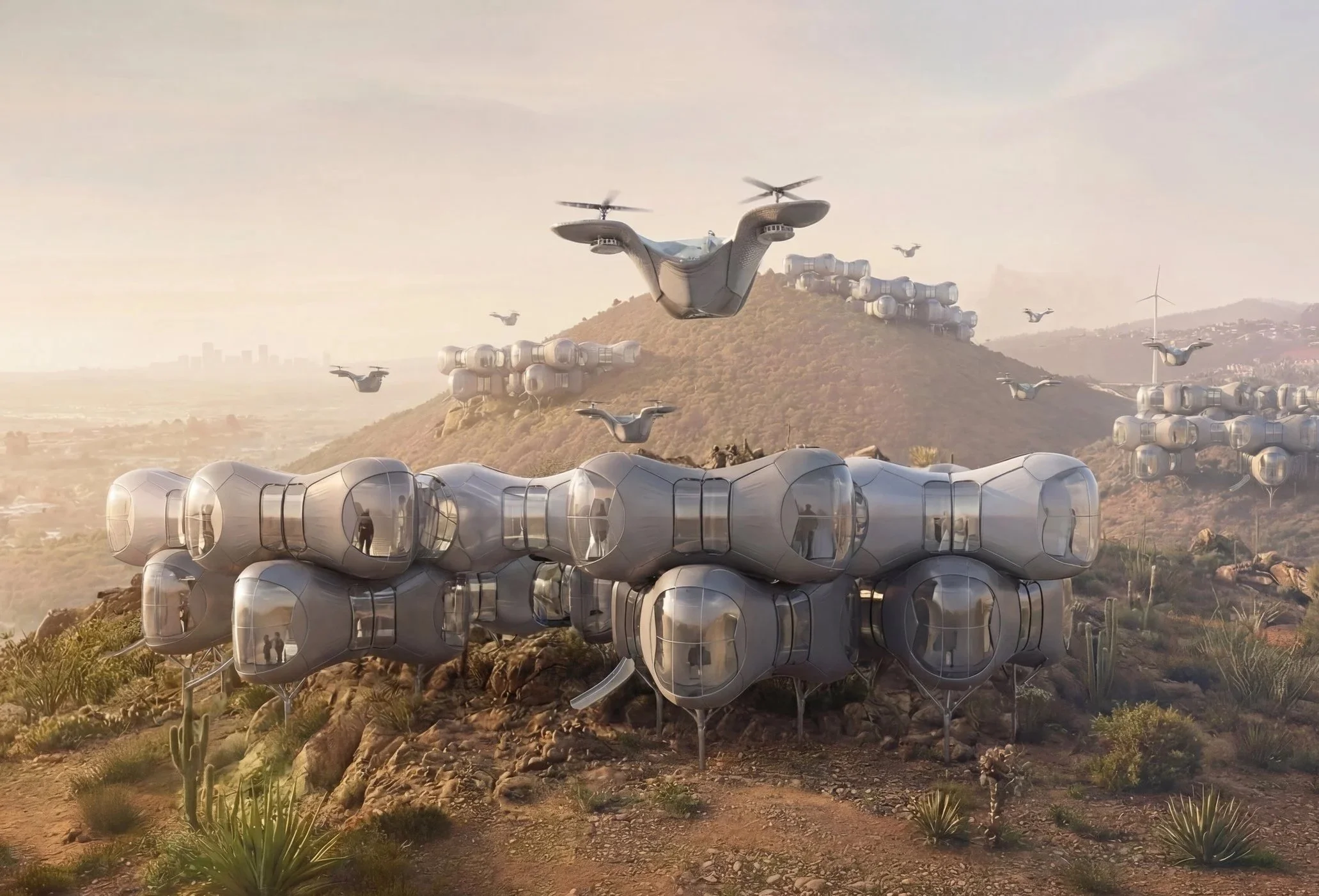
Ember
Angius Studio // 11:30
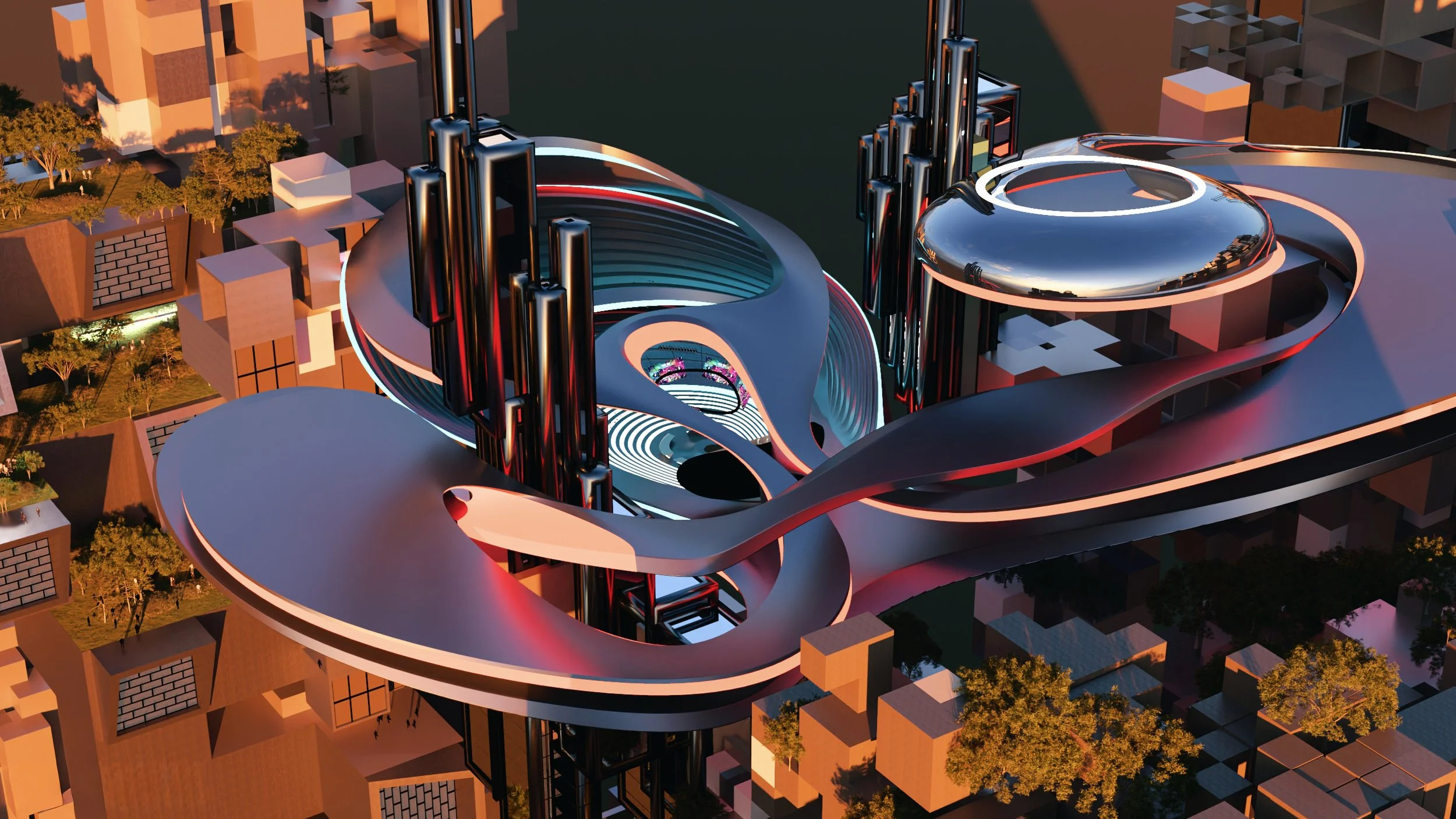
Tesser[act]
Schumacher Studio // 12:30
afternoon session: 14:00 - 17:30 // 08 Jan 26
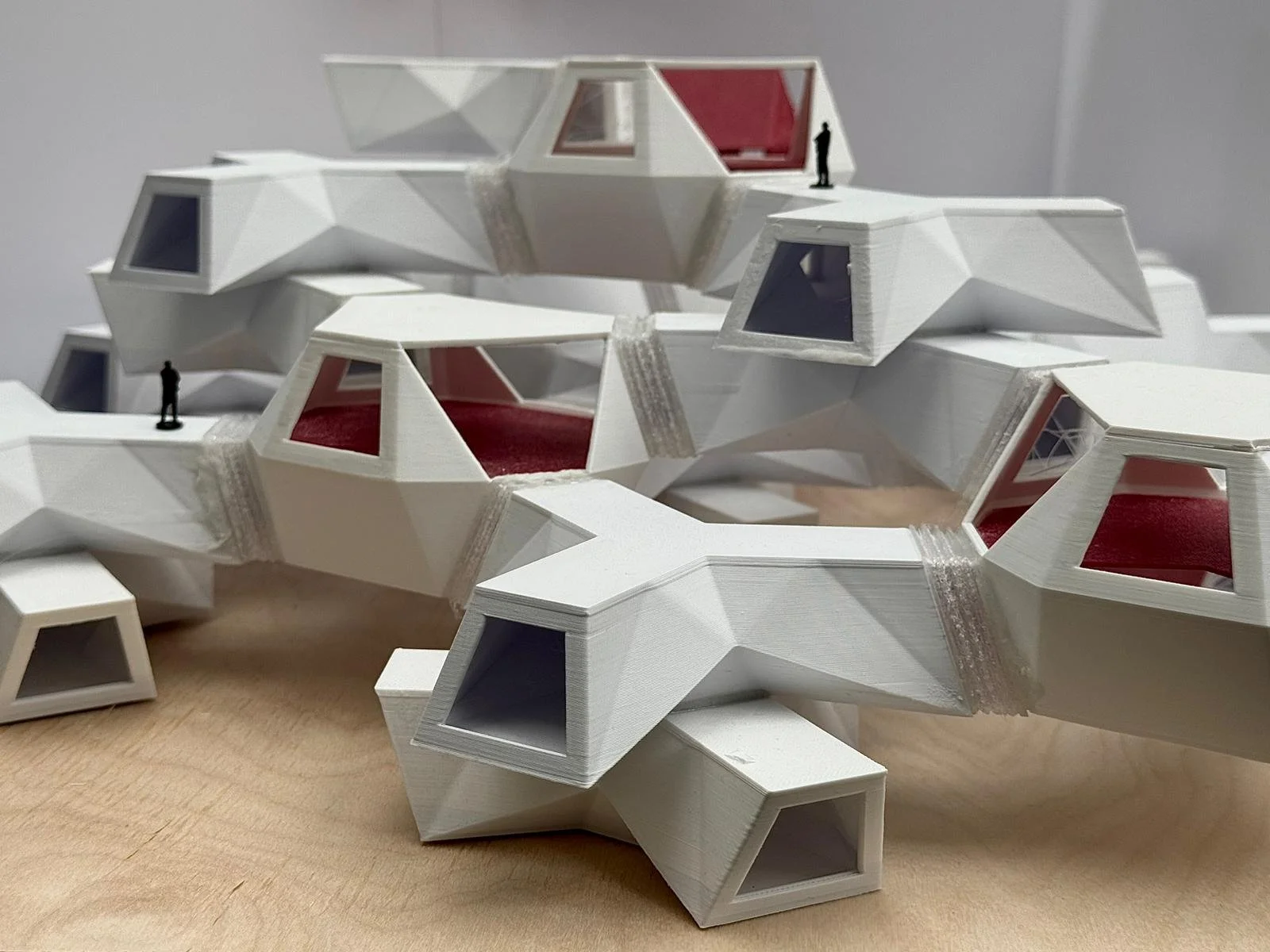
Statera
Angius Studio // 14:30
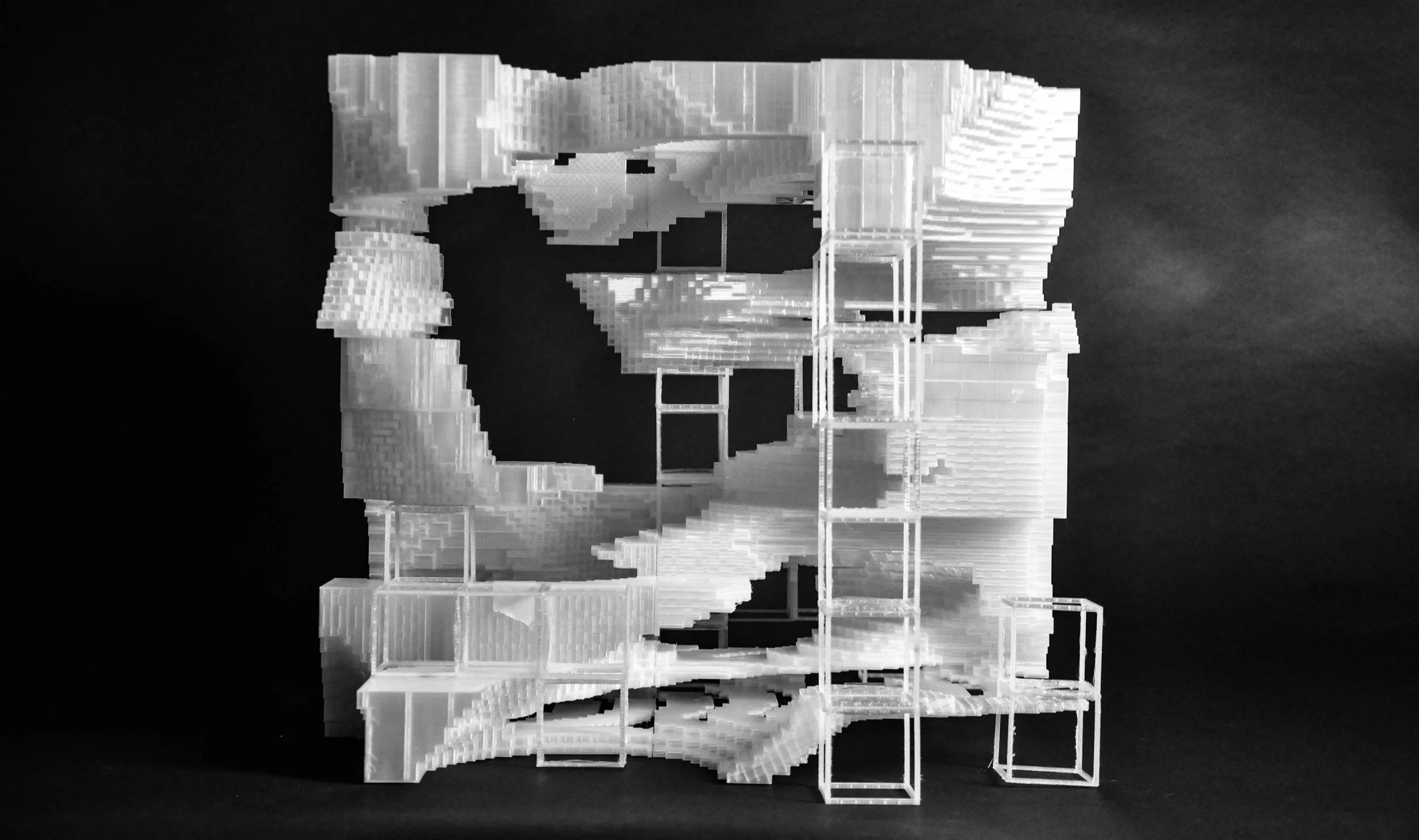
Agentic Participator
Spyropoulos Studio // 15:30
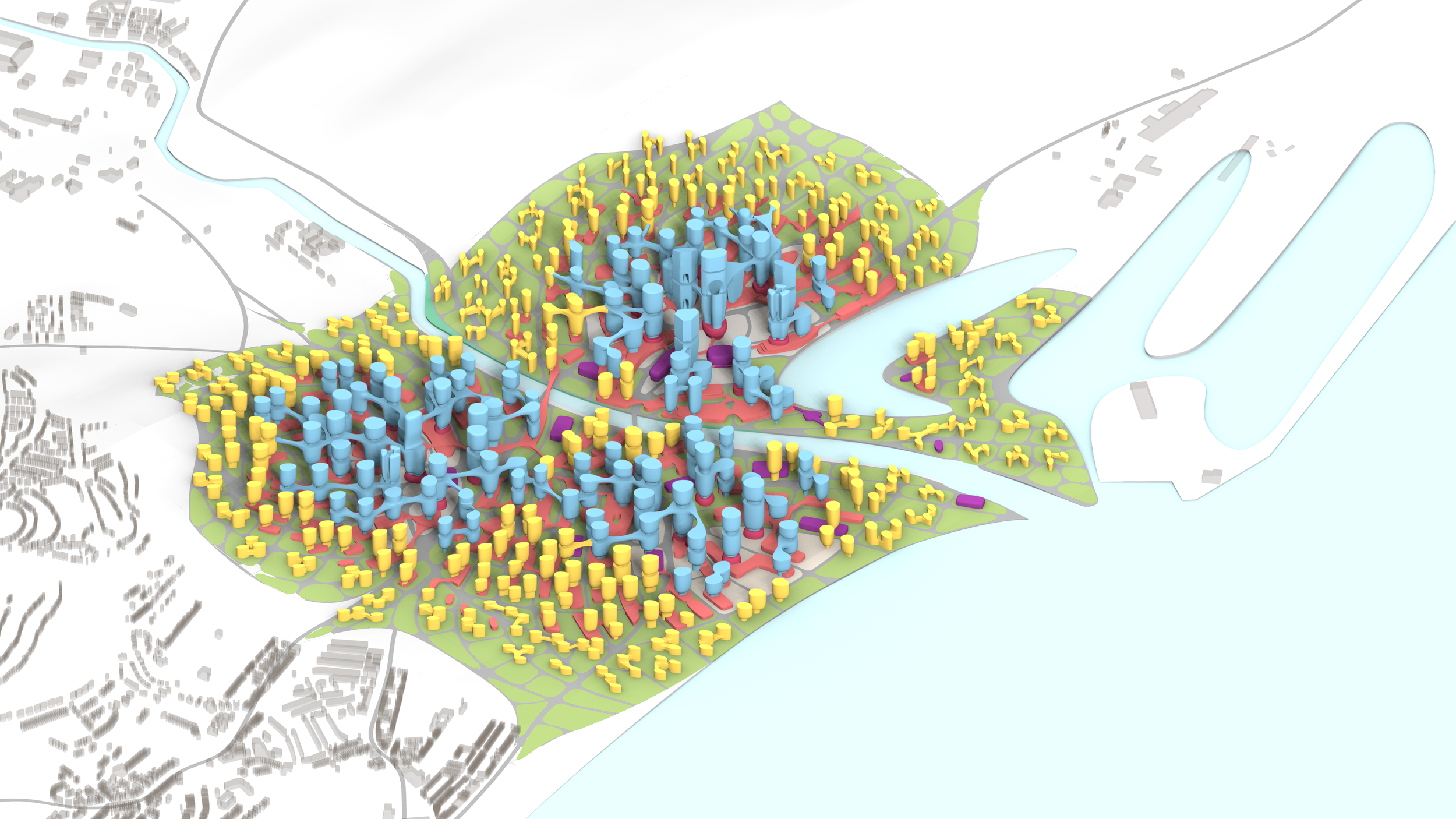
VertiCity
Bhooshan Studio // 16:30
KeyNote Lecture:
CLAUDIA PASQUERO
18:30 - 20:00
DAY 2
morning session: 10:30 - 13:30 // 09 Jan 26
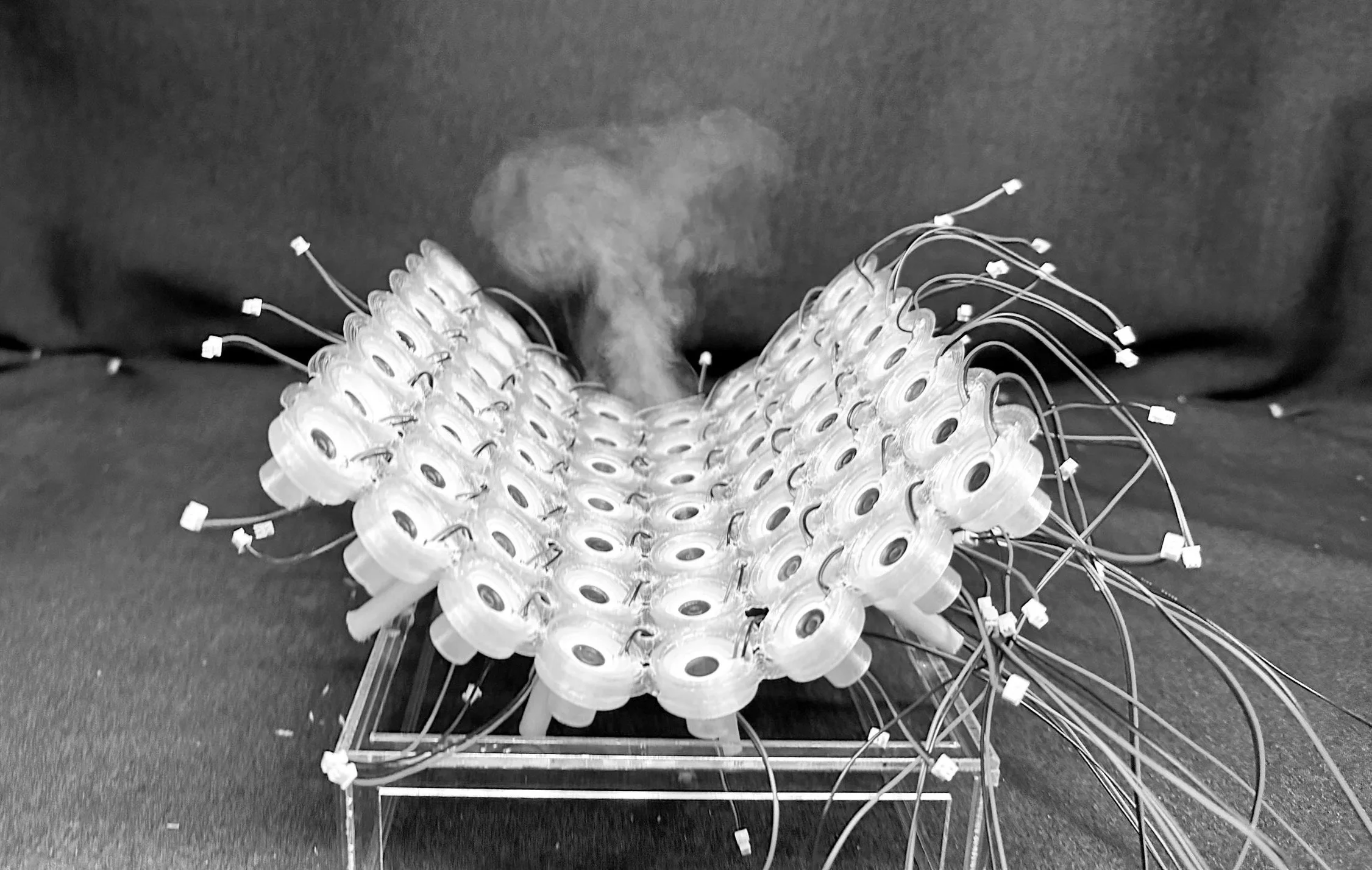
Atmosphere intelligence
Spyropoulos Studio // 10:30
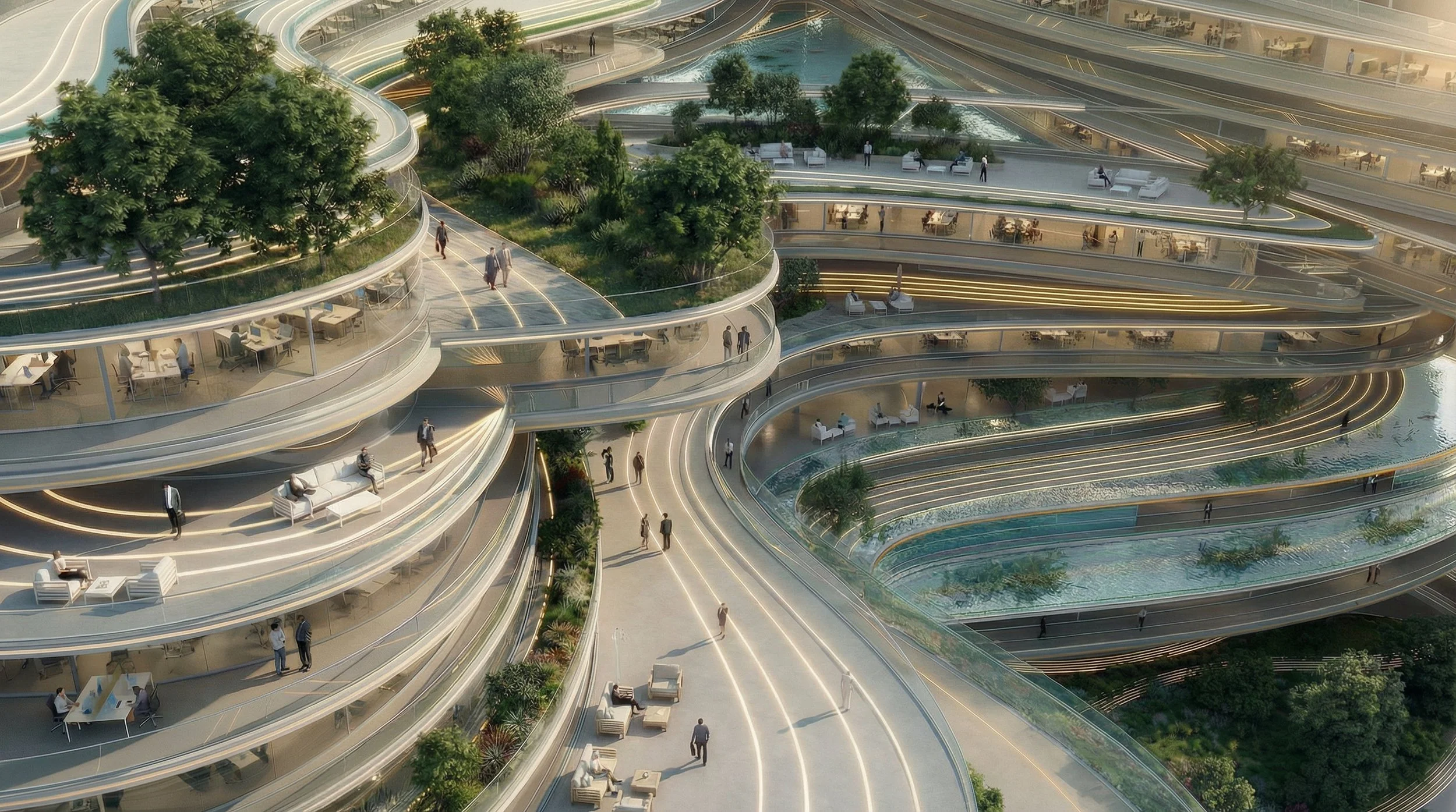
Khora
Schumacher Studio // 11:30
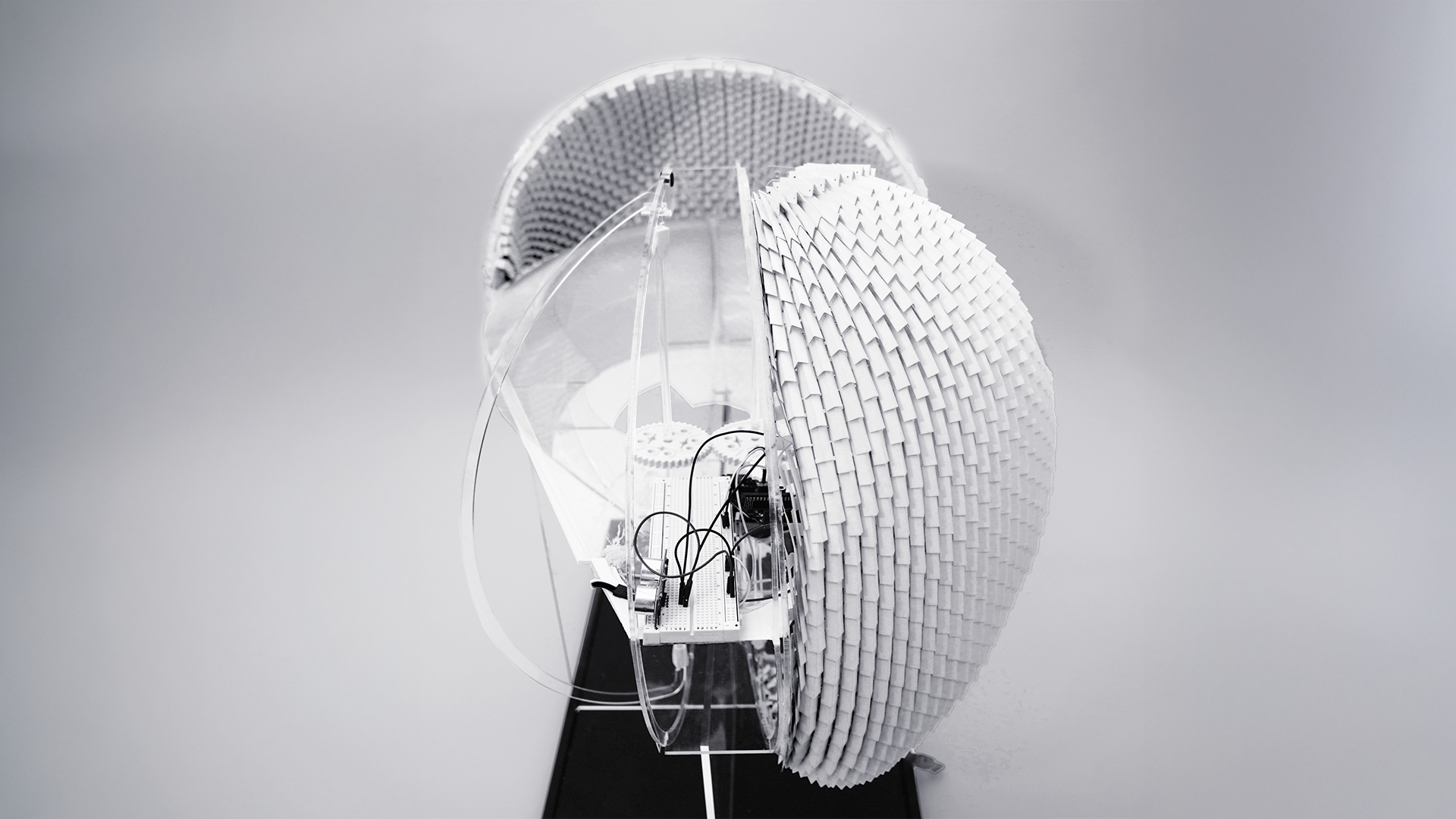
Nautilus
Angius Studio // 12:30
AFTERNOON session: 14:30 - 17:30 // 09 Jan 26
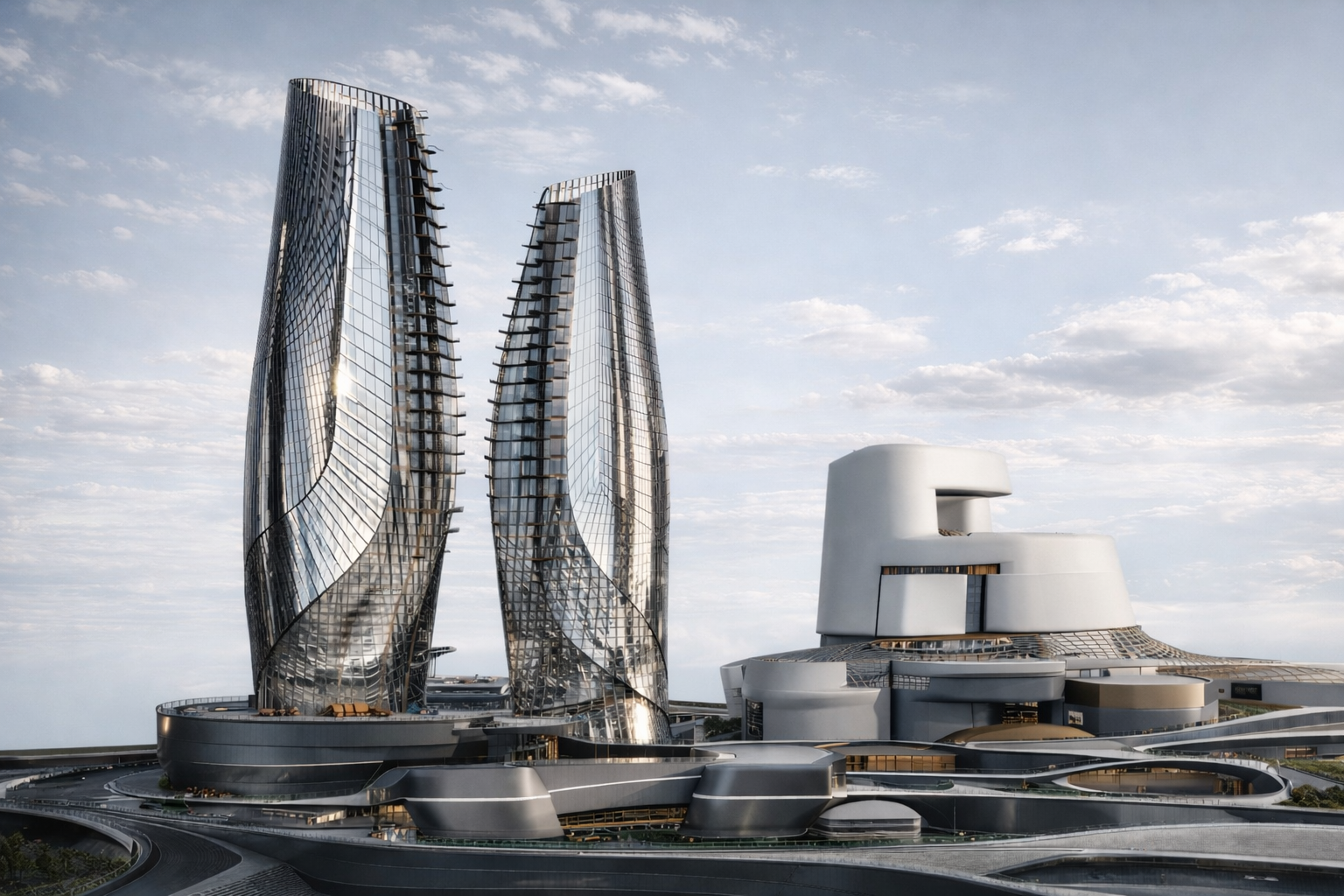
Make No Little Plans
Bhooshan Studio // 14:30
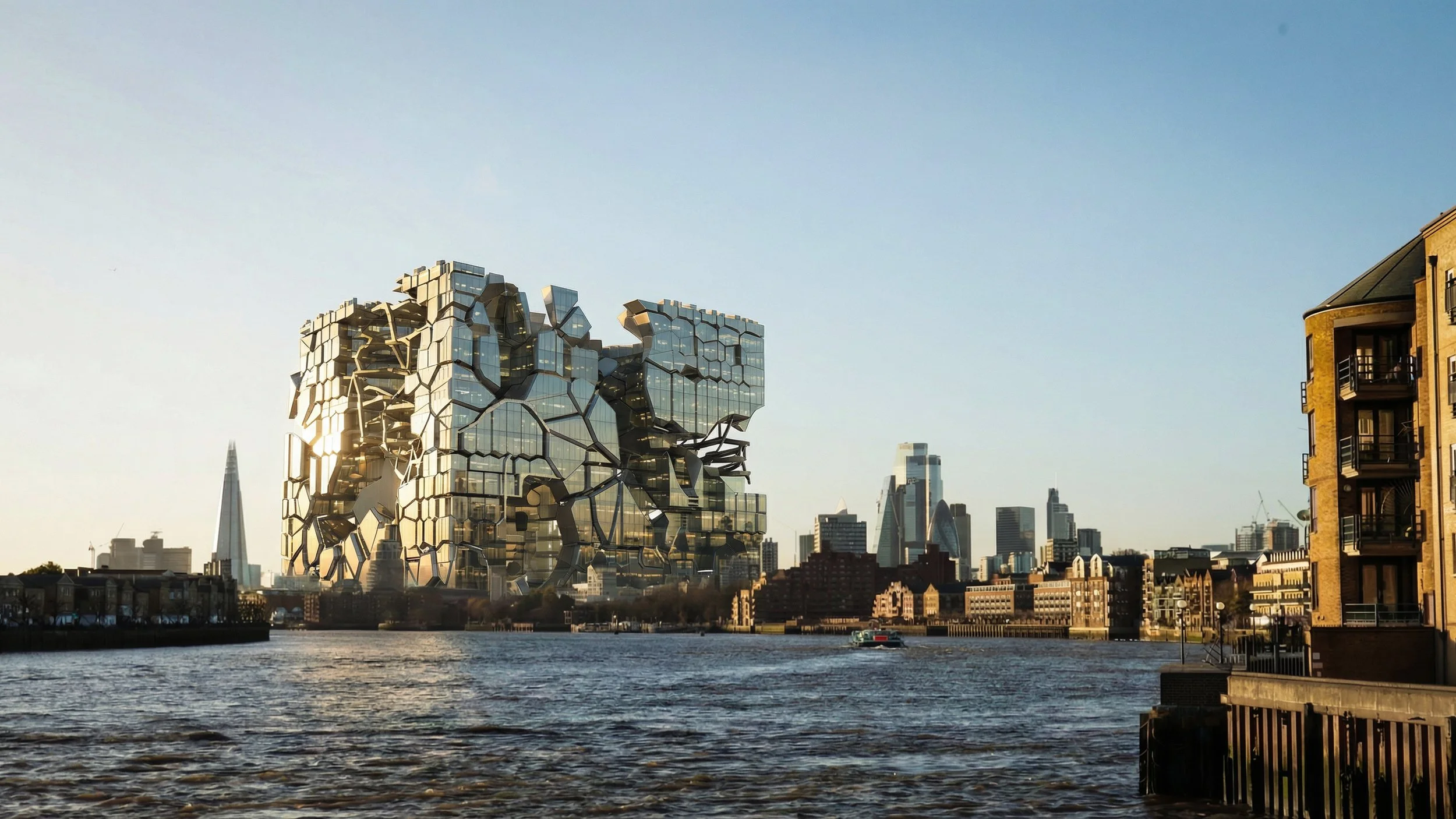
Emergence
Schumacher Studio // 15:30
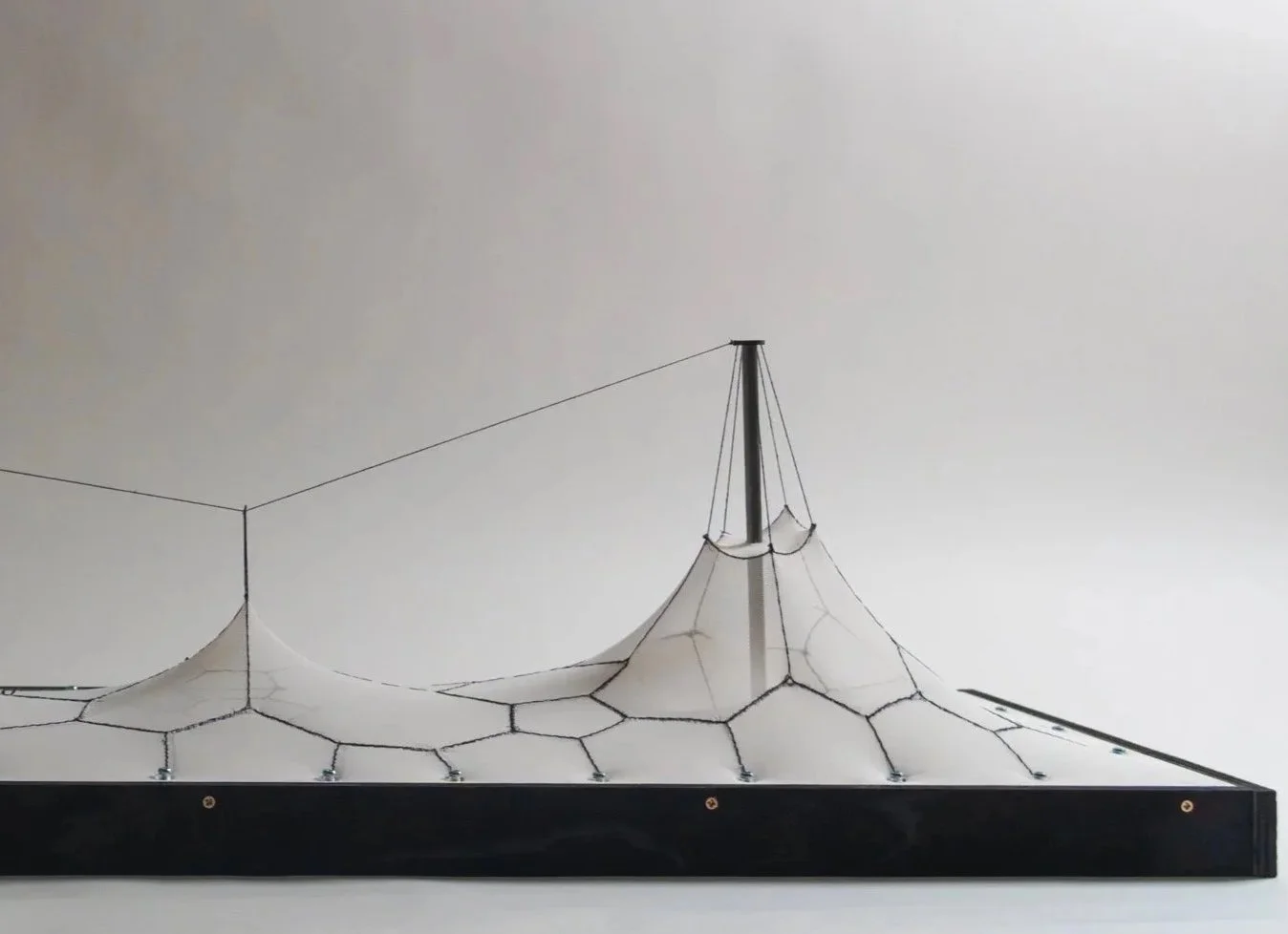
Architecture of Co-Intelligence
Spyropoulos Studio // 16:30
Studios
Angius STUDIO
MOBILE HABITATS / CLIMATE VOLATILITY / METEOROLOGICAL INTELLIGENCE / RESOURCE SCARCITY
Our Studio explores large-scale agile bionetworks as adaptive systems responding to climate volatility, resource scarcity, and social inequality. Moving beyond static and extractive models, the studio investigates fluid forms of urbanism that evolve in dialogue with planetary processes and human vulnerability. Through territories of scarcity—water-stressed regions, food-insecure landscapes, post-industrial sites, climate-threatened coastlines, post-disaster contexts such as earthquake-affected areas, and wildfire-prone territories—we examine non-extractive architectures, metabolic infrastructures, and circular economies as drivers of resilience and recovery. Data-driven design and advanced computational methods are central to the studio, enabling the prediction, simulation, and mitigation of dynamic environmental and social risks. By integrating environmental intelligence, adaptive systems, and industrial production logics, we propose regenerative infrastructures that support post-disaster reconstruction, suggest multiple strategies of inhabitation, and foster diverse, community-based systems capable of responding to an uncertain planetary context.
Bhooshan STUDIO
ARCHITECTURAL INTELLIGENCE FOR NEW CITIES
The studio treats AI and new cities not as parallel themes, but as mutually conditioning problems. AI provides new ways to reason about optimisation, negotiation, and adaptation; new cities provide a domain where those capabilities are not optional, but essential. Rather than focusing on the automation of design outcomes, the studio is concerned with locating architectural and urban design agency within both the technical details of AI and the use value of new cities.In this sense, the studio locates agencyupstream of form, operating through the design of geometric energy landscapes and socio-economic game rules, aiming for spatial order to emerge from negotiated equilibria rather than prescribed typologies. Architecture and urbanism are treated not as the direct production of objects or plans, but as the design of the conditions under which form, organisation, and differentiation arise.
Schumacher STUDIO
MEGA BUILDING / HIGH DENSITY URBANISM / CO LOCATION SYNERGIES
The studio explores the mega building as a contemporary urban type capable of delivering the functional intensity of an entire city district within a compact three dimensional framework. Responding to accelerated urbanisation and the demands of the knowledge economy, the research investigates how extreme density can amplify social, economic, and communicative interactions through spatial co location. The mega building is approached as a complex urban system composed of interdependent subsystems, including structure, circulation, occupiable surfaces, and envelopes. Through ordered differentiation, gradients, and systemic correlations, the studio seeks to maintain legibility and orientation within conditions of high complexity. Drawing on theoretical and built precedents of large scale urbanism, the studio frames architecture as an organisational intelligence capable of structuring complexity, enabling productive adjacencies, and intensifying collaborative urban life.
Spyropoulos Studio
EVERYTHING INTELLIGENCE
Today, we find ourselves in a moment where new ways of thinking are emerging that open up questions about agency and intelligence within the wider ecology that sustains us. Our work looks at environmental and technological phenomena as a means of supporting life. It examines intelligence both artificial and natural with an emphasis in the non-human. The challenges we face today point to the need to prepare for a world that is becoming ever more extreme and unstable. Whether we are talking about environmental, social, or political forces, the issues are planetary in scale. And they call for strategies that go beyond simply correcting past mistakes; they require us to actively prepare for what is to come. Intelligence is explored through research that examine Architectural Intelligence as a means to construct an evolving partnership with the systems in an attempt to prototype new models of engagement.
guest critics
Claudia Pasquero
Claudia Pasquero is an architect and researcher whose work explores climate-active systems at the intersection of biology, computation, and design. She is internationally recognised for pioneering photosynthetic architecture and synthetic landscapes—built environments that capture CO₂, purify air, and generate biomass. Through her research platform PhotoSynthetica™ (a collaboration between ecoLogicStudio, UIBK, and UCL), she has developed algae-based façades, canopies, and pavilions that operate as living infrastructures for carbon sequestration and urban air purification. Her work has been exhibited at the Venice Biennale, COP26, and the Centre Pompidou. Pasquero’s research reframes architectural aesthetics as ecological intelligence: the visible performance of adaptive, multispecies systems. She is the author of Systemic Architecture: Operating Manual for the Self-Organising City and BioDesign in the Age of AI: DeepGreen.
Ingrid Schröder
Ingrid Schröder is Director of the Architectural Association School of Architecture in London. She was previously Head of Design Teaching and Director of the MPhil in Architecture and Urban Design at the University of Cambridge. Her academic leadership has played a significant role in shaping architectural education across the UK.
Paul Finch
Paul Finch is Programme Director of the World Architecture Festival and a leading voice in architectural journalism and policy. He is a former editor of Building Design, Architects’ Journal, and Architectural Review, and co-editor of Planning in London. Finch has served as Chair of the Commission for Architecture and the Built Environment (CABE) and as Deputy Chair of the UK Design Council.
Jan Bunge
Jan Bunge is a Partner at Squint/Opera, where he develops strategic relationships and advises on the future of the built environment. With expertise in identifying emerging technological trends, he has cultivated long-standing client partnerships since joining the studio in 2012. Trained in urban design, Jan is particularly committed to addressing decarbonisation through innovative, forward-looking design strategies.
Gilles Retsin
Gilles Retsin is an architect and designer based in London. Originally from Belgium, he studied architecture in Belgium, Chile, and the UK, graduating from the Architectural Association. His work has been widely recognised through awards, lectures, and exhibitions at institutions including the Museum of Arts and Design in New York, the Royal Academy in London, and the Centre Pompidou in Paris. Retsin has edited an issue of Architectural Design on discrete architecture and co-edited Robotic Building: Architecture in the Age of Automation. He is Programme Director of the M.Arch Architectural Design at UCL Bartlett and co-founder of UCL AUAR Labs and its spin-out company AUAR Ltd, focusing on automated design and fabrication systems for affordable housing.
Marcelina Zielińska
Marcelina Zielińska is Group Board Director at Chapman Taylor UK and an architect and urban designer with extensive experience across all stages of design. Her work spans projects from individual buildings to large-scale urban masterplans. She has a particular focus on high-street regeneration, with expertise in anticipating future trends in retail, leisure, and town-centre transformation. Her current work includes heritage-sensitive masterplans for historic city centres. Marcelina joined Chapman Taylor in 2007 and was appointed to the Group Board in 2025.
Christos Passas
Christos Passas is a Director at Zaha Hadid Architects, where he has played a central role in shaping the studio’s design culture, innovation, and strategic direction since 1998. As a design leader, he co-authored many of the practice’s landmark projects, working closely with Zaha Hadid on seminal works such as the Phaeno Science Center in Wolfsburg. His portfolio spans cultural, commercial, residential, and large-scale urban regeneration projects across Europe, Asia, and the Middle East, including the OPUS and ME Hotel in Dubai, Eleftheria Square in Cyprus, and OPPO Headquarters in Shenzhen. His work continues to advance architectural experimentation, sustainability, and future-oriented urban design.
Manon Janssens
Manon is an associate director at ZHA and head of exhibitions and archives. She is responsible for co-curating and coordinating all of the firm’s exhibition projects, as well as the strategic development and overall management of the ZHA legacy project, and the day-to-day running of the archives. She is also in charge of developing bespoke collection databases in order to manage both the digital and physical archives of the practice, including devising strategies for the conservation, preservation, storage and digitisation of the collection. Prior to joining ZHA, Manon was associate director and head of communications and press at David Chipperfield Architects in London. Manon oversees the production and logistics of all exhibition projects, negotiating contracts and insurance agreements with the hosting organisations, overseeing the loads and shipments, selecting and preparing items to be exhibited, commissioning new work to be exhibited, compiling project information and images for catalogues and captions, and overseeing the installations and de-installation of each exhibition. Manon received her BA in Letters and Art from the Sapienza University of Rome, Italy in 1996, as well as her MA in Architectural Multimedia Systems from Rome Tre University in 1998. She completed her Erasmus European Scholarship at the Katholieke University in Leuven, Belgium in 1995.
Jim Rhone
Jim Rhoné is an architect, designer, and entrepreneur driven by biomimicry, nature-based solutions, and generative design. He holds a Master of Architecture from the National School of Architecture Paris-Malaquais (ENSAPM) and has over a decade of experience in the Architecture, Engineering & Construction industry. He began his career at Atelier Jean Nouvel, Trimble (formerly Gehry Technologies), and Besix, specializing in BIM, Design for Manufacturing and Assembly, robotic fabrication, and parametric design. In 2018, he co-founded Soliquid, a startup pioneering large-scale concrete 3D printing for construction and ocean biodiversity restoration. Since 2020, Jim has been Chief Product Officer at Interstellar Lab, a deep-tech company developing BioPods and Biocapsules, advanced controlled-environment systems to preserve life on Earth and enable its expansion into space. He leads product development from concept to delivery, uniting design, engineering, and science to turn vision into reality.
Ricardo Sosa Mejia
Ricardo Sosa Mejia is a London-based design leader with nearly two decades of experience shaping cultural, workplace, education, and public realm projects. As a Senior Associate at Heatherwick Studio, he has led global projects and drives the studio’s future talent strategy by building strategic partnerships to identify emergent designers.
His career includes senior roles at Zaha Hadid Architects and Laing O’Rourke, where he honed expertise in design innovation and manufacturing technologies. Ricardo combines a strategic mindset with strong design intuition to oversee work at multiple scales. His inclusive leadership and curiosity foster collaboration and unlock opportunities to enrich how people experience spaces and places. A passionate advocate for learning and equity, Ricardo champions development programs, advances DEI initiatives, and mentors emerging talent, empowering the next generation of creative leaders.
Shiv Malik
Shiv Malik is a journalist, author, and entrepreneur, and Co-Founder of Forest City. He is the author of two books, co-founder of the Intergenerational Foundation think tank, and an award-nominated broadcaster. Formerly an investigative journalist for The Guardian, he later advised Web3 projects including Golem and Streamr, co-developing new frameworks for monetising personal data. He now leads Pathaka AI, focusing on the creation of hyper-personalised content through artificial intelligence.
Melodie Leung
Melodie Leung is a Director at Zaha Hadid Architects, where she has worked since 2005. Her practice spans architecture, interiors, product design, and exhibition design. She worked closely with Zaha Hadid on the creation of the Zaha Hadid Gallery in London and continues to oversee its exhibitions. Leung has led numerous experimental installations and interior projects and has contributed to the Zaha Hadid Design collection. Born in Chicago, she studied architecture at the University of Illinois Urbana-Champaign and Columbia University. She also serves as Architecture Editor-at-Large for Ala Champ magazine.
Manuela Gatto
Manuela Gatto is a Director at Zaha Hadid Architects, where she has worked since 2002. She oversees major projects across China and Europe, including SKY SOHO in Shanghai and the Leeza SOHO tower in Beijing, home to the world’s tallest atrium. An active speaker and author, she co-wrote Negotiate My Boundary! Mass Customization and Responsive Environments. She is currently leading the Genzon Headquarters development in Wuhan, as well as the Shenzhen Headquarters and Lifelong Learning Centre for the Yidan Foundation.
Jinseok Park
Jinseok Park is an architect and academic specialising in urban regeneration and socially engaged design. He studied at the Architectural Association, graduating in 2002, and subsequently worked on major regeneration projects in London, including Coin Street and the Kidbrooke Regeneration project. He later founded Phos Architects, delivering international projects such as Nalut University in Libya. Since 2013, he has taught at the School of Architecture at Kyungnam University, where his work focuses on collaborative regeneration. His recent projects include the Wonwol Social Housing Complex in Changwon and the Jinhae Regeneration Masterplan. His research examines the relationship between social structures, political conditions, and urban space in the production of adaptable and inclusive environments.
Arturo Revilla
Arturo Revilla is an architect and artist with over 20 years of experience working across Shanghai, London, and Mexico. His practice spans a wide range of complex public and private projects, including mixed-use developments, cultural institutions, residential buildings, and educational and commercial facilities. He has held key design roles at internationally recognised practices including Zaha Hadid Architects, UNStudio, Hassell, and Heatherwick Studio. His portfolio includes projects such as the Google Dome in California, the Broad Art Museum at Michigan State University, Sky SOHO in Shanghai, 18T Mansion in Chongqing, the Hiwell Amber Center in Hangzhou, and the USTC Business School in Hefei. Arturo holds a PhD in Architectural Design from the Architectural Association in London and has taught and participated in design forums at institutions including the AA, The Bartlett School of Architecture, Chelsea College of Art, and universities in the UK, the US, and South America.