
UP-BRIDGE CITY
Studio Shajay Bhooshan
Tutor Henry David Louth, Jayanaveenaa Periyasamy
Team Atul Hanchnale, Fenglin Xia, Peilin Zhao, Yungpeng Luo
![[SHANA]Shape AI.gif](https://images.squarespace-cdn.com/content/v1/591b31521b631bdbbb6ef16b/afa87134-c6a1-48b3-a59e-0f0ab4f8f984/%5BSHANA%5DShape+AI.gif)
![[SHANA]SDF Blend.gif](https://images.squarespace-cdn.com/content/v1/591b31521b631bdbbb6ef16b/c936f8f9-9196-4ed6-8f47-6cac32956bca/%5BSHANA%5DSDF+Blend.gif)
![[SHANA]SDF Plan.gif](https://images.squarespace-cdn.com/content/v1/591b31521b631bdbbb6ef16b/12caeb6a-751c-4e87-8ff5-65bd14ebd5ba/%5BSHANA%5DSDF+Plan.gif)
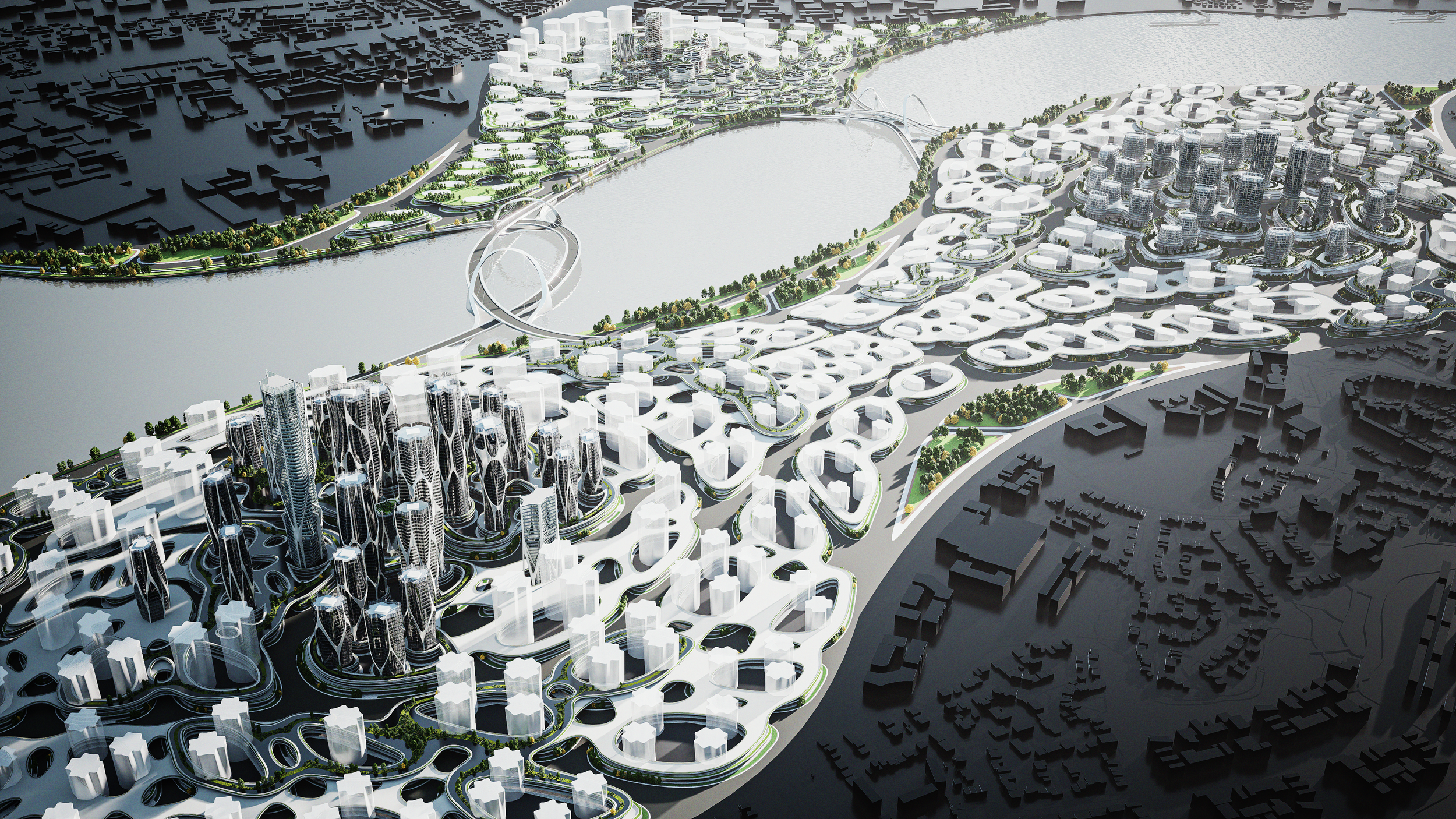
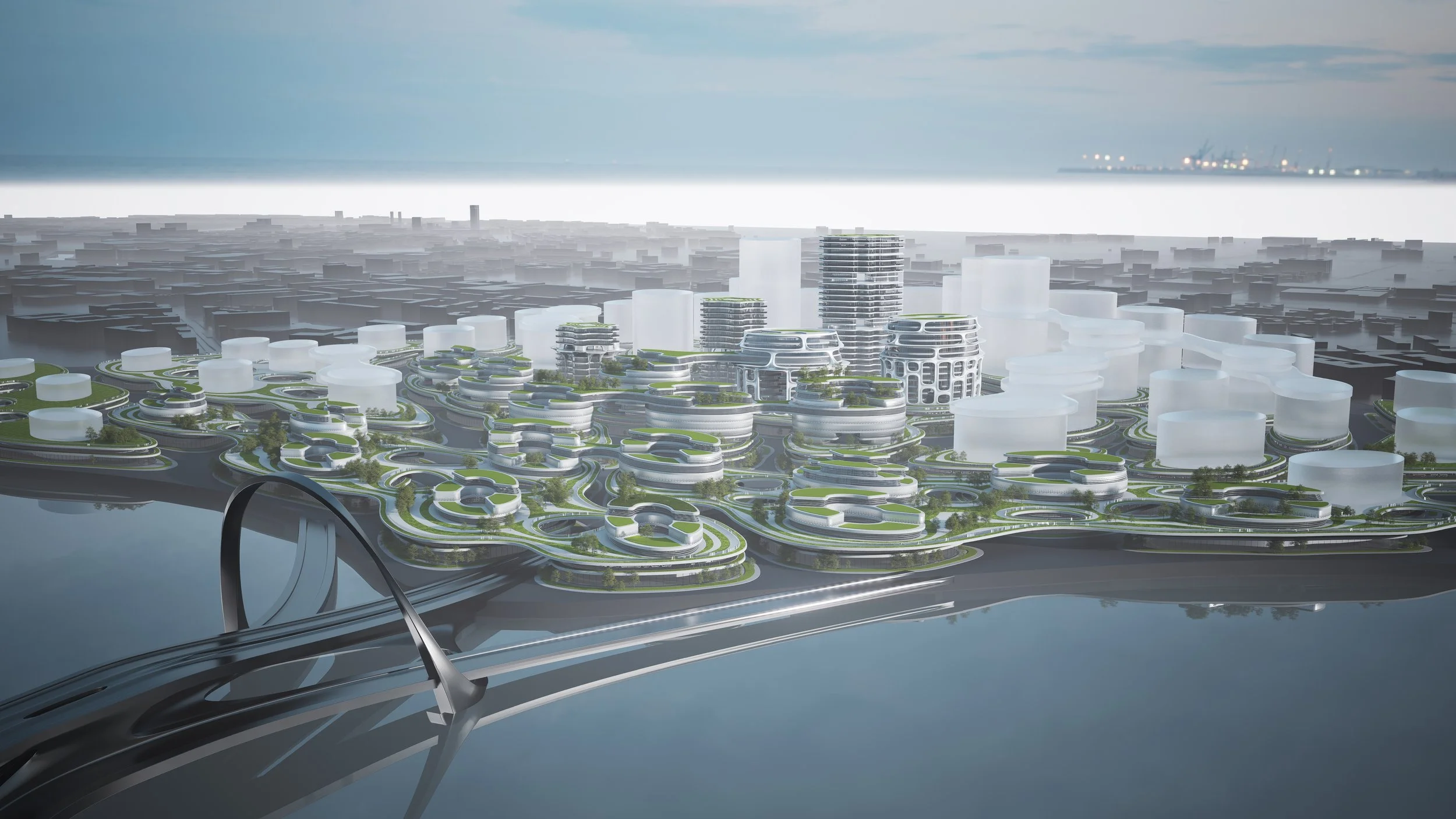
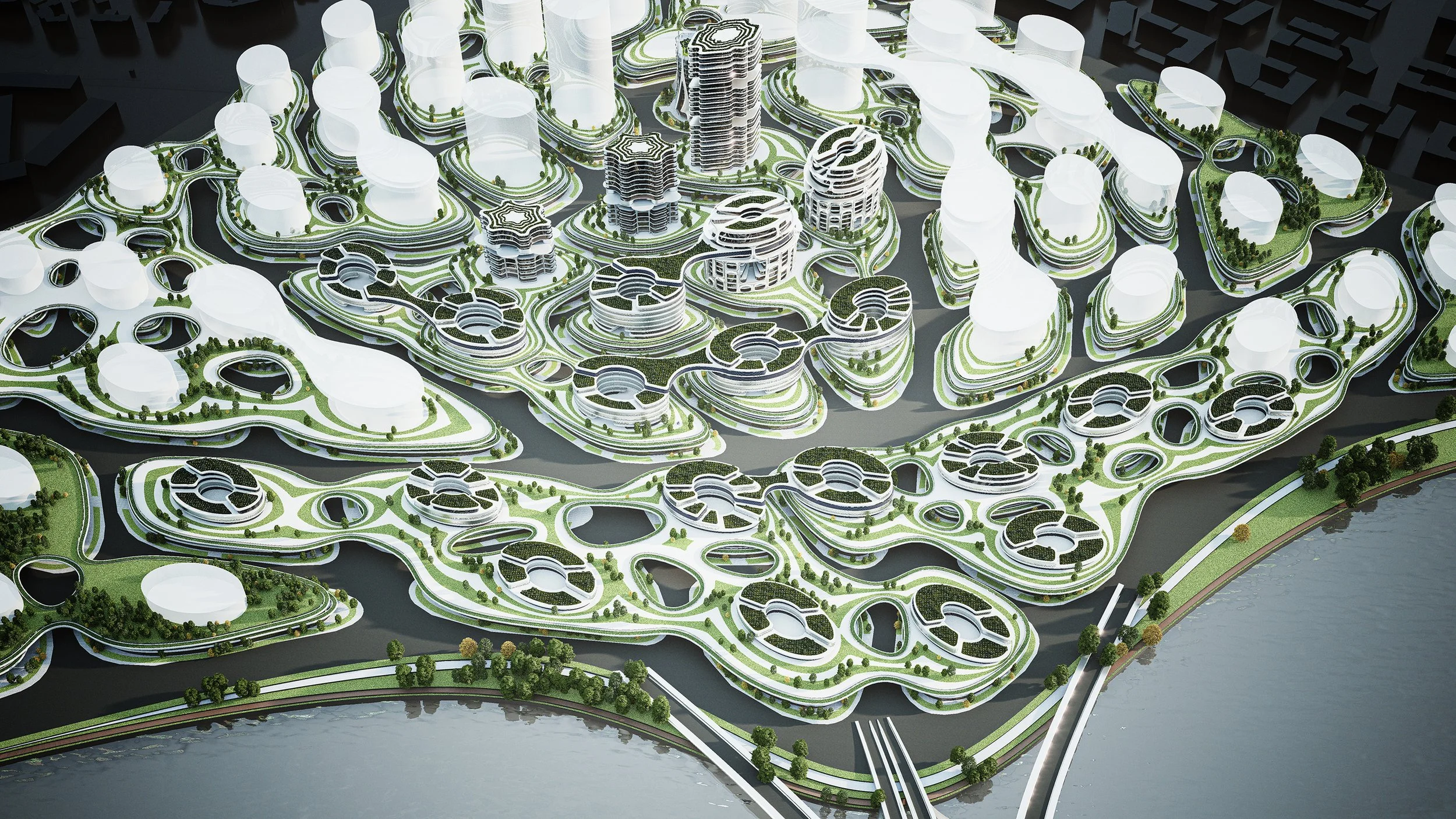
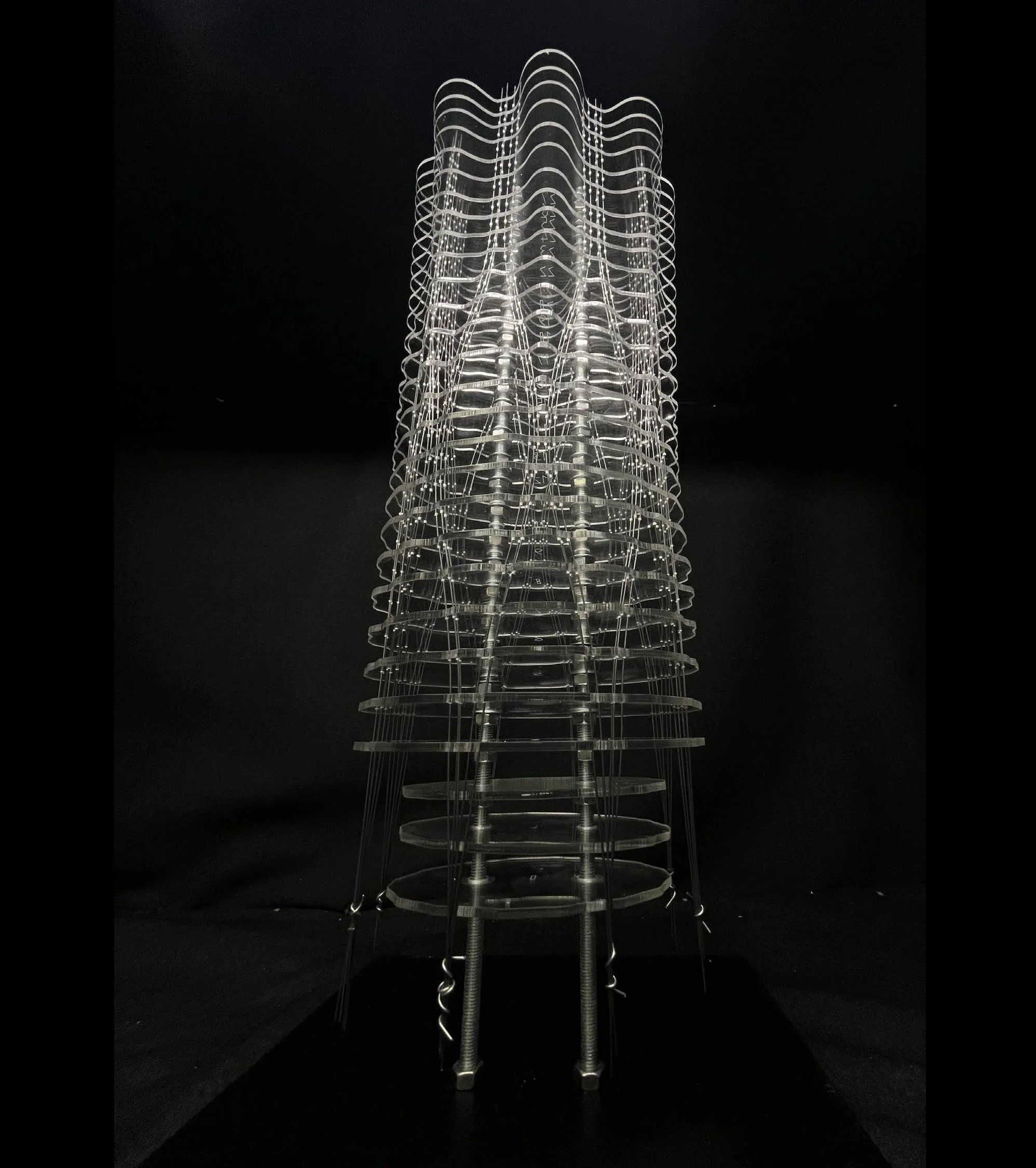
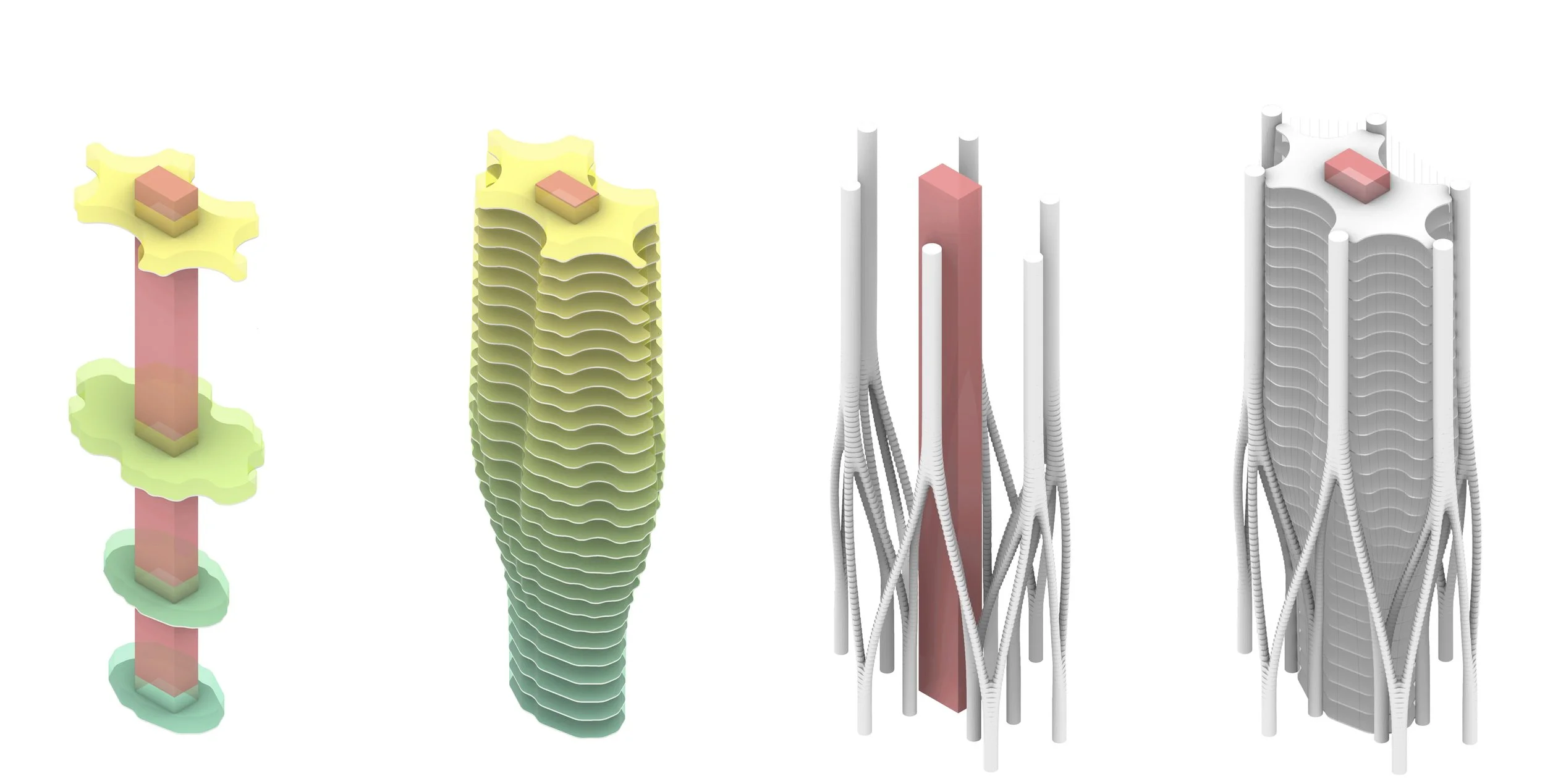
In response to the urgent demands of urban development in the contemporary world, the UpBridge City Project takes the rapid advancement of artificial intelligence as a critical opportunity to propose a novel paradigm for urban growth. Through the methodological concept of “UpBridge,” the project seeks to establish a connective framework between cutting-edge AI technologies and real-world urban development, exploring possible pathways for cities to continuously evolve as intelligent systems. At the level of urban development models, the UpBridge City Project conducts a comparative analysis of two conventional paradigms of urban growth—top-down and bottom-up approaches—and proposes a hybrid model that integrates both. This hybrid model is further translated into a cooperative game-theoretic framework, enabling a structured interpretation of interactions between multiple urban actors. Building upon this game-theoretic foundation, the project adopts a Game AI methodology to construct a Multi-Agent Proximal Policy Optimization (MAPPO) reinforcement learning model for urban growth, based on two interacting agents. Through simple rule-based mechanisms, the model can extrapolate complex real-world urban development dynamics, while leveraging AI autonomy to achieve a mutually beneficial, win–win urban development scenario. At the level of concrete urban design and procedural architectural generation, the UpBridge City Project employs the Signed Distance Field (SDF) method to transform and regulate the latent space of a multi-layer perceptron into a two-dimensional, controllable representation. This approach enables deep learning models to more effectively simulate the progressive evolution of spatial forms. The method is further applied to both horizontal urban architectural variation and the vertical organic integration of different functional floor plans within buildings. Overall, the UpBridge City Project offers an in-depth exploration of the feasibility of AI-driven urban generative design. Methodologically, it proposes a clear technical trajectory that connects artificial intelligence with future urban development. By deploying multiple AI-based techniques across the entire urban design pipeline, the project presents a renewed and comprehensive response to the question of AI for new cities.