
ARCHITECTURE OF CO-INTELLIGENCE
Studio Theodore Spyropoulos
Tutors Hanjun Kim, Apostolos Despotidis, Elizabeth Konstantinidou
Team Kian Jansuwan, Sumanth Sogal, Supreeth Vijayakumar
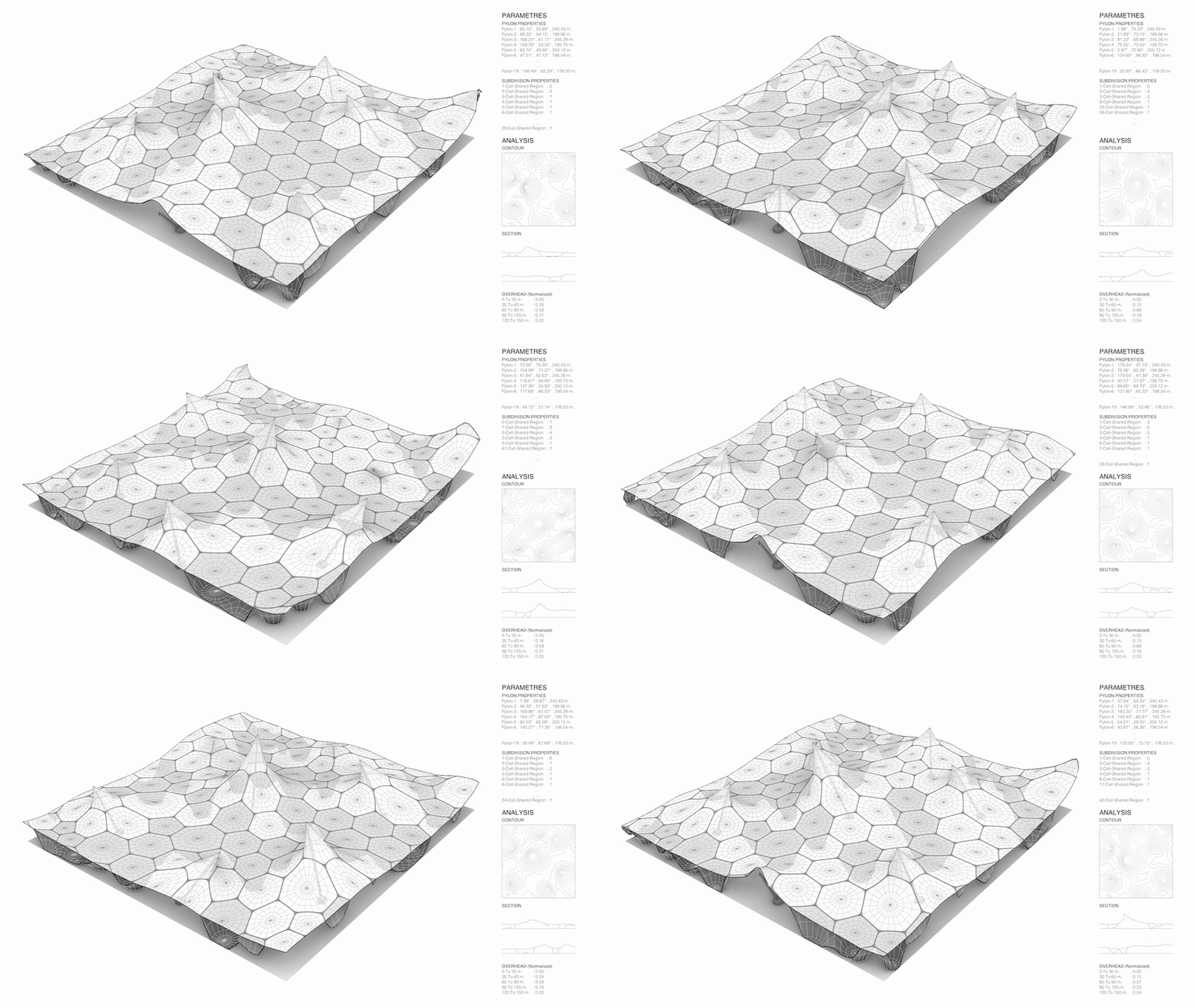
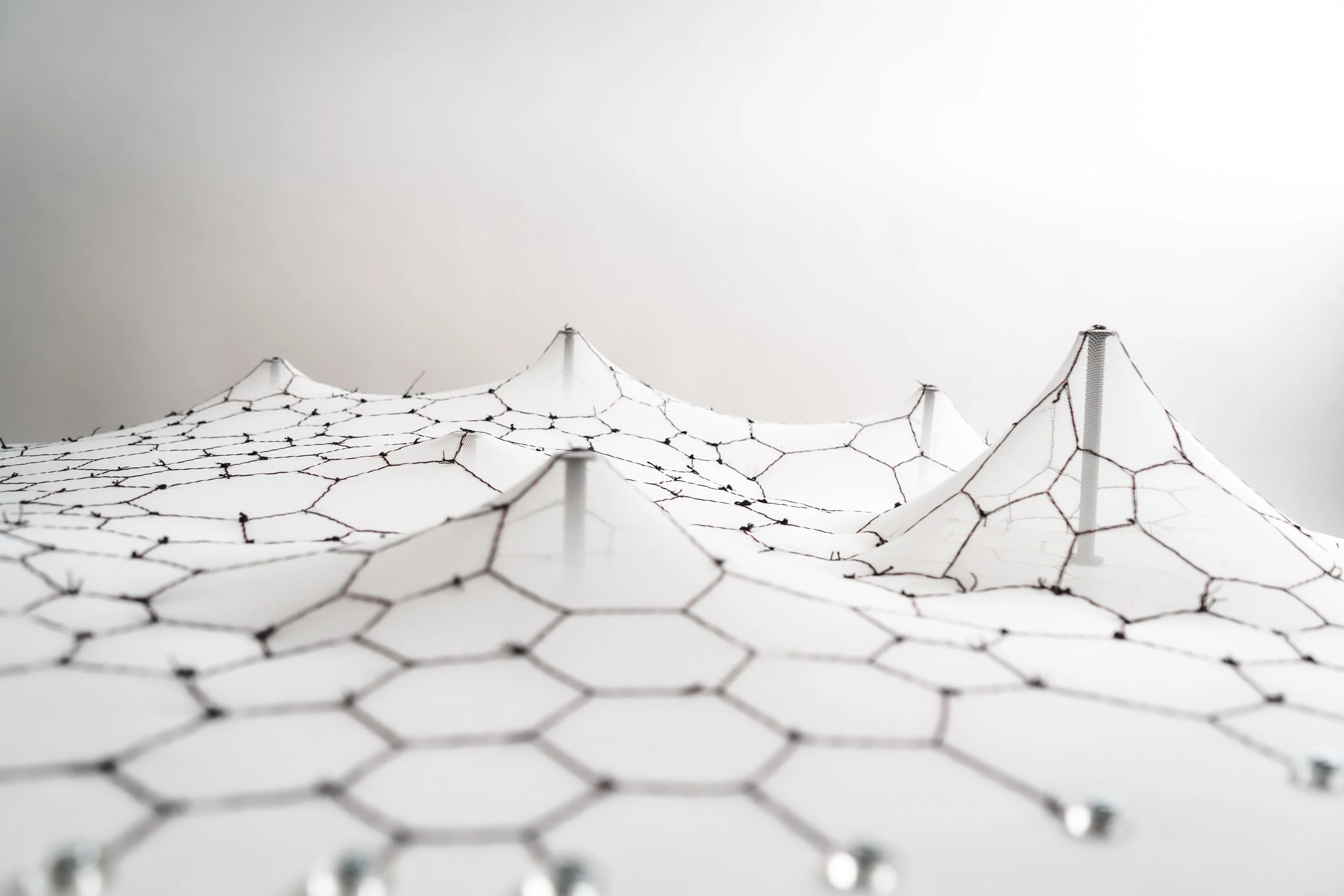
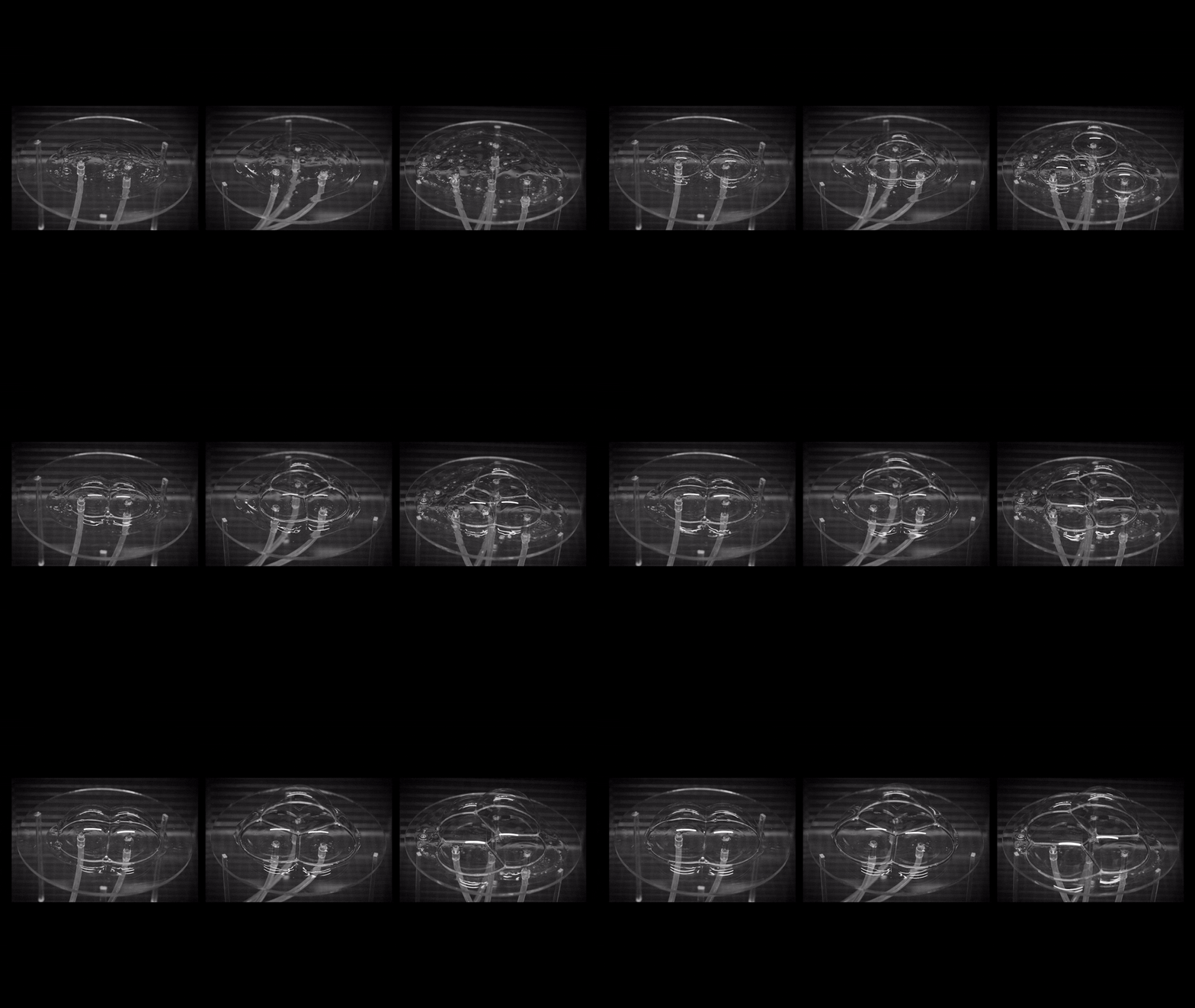
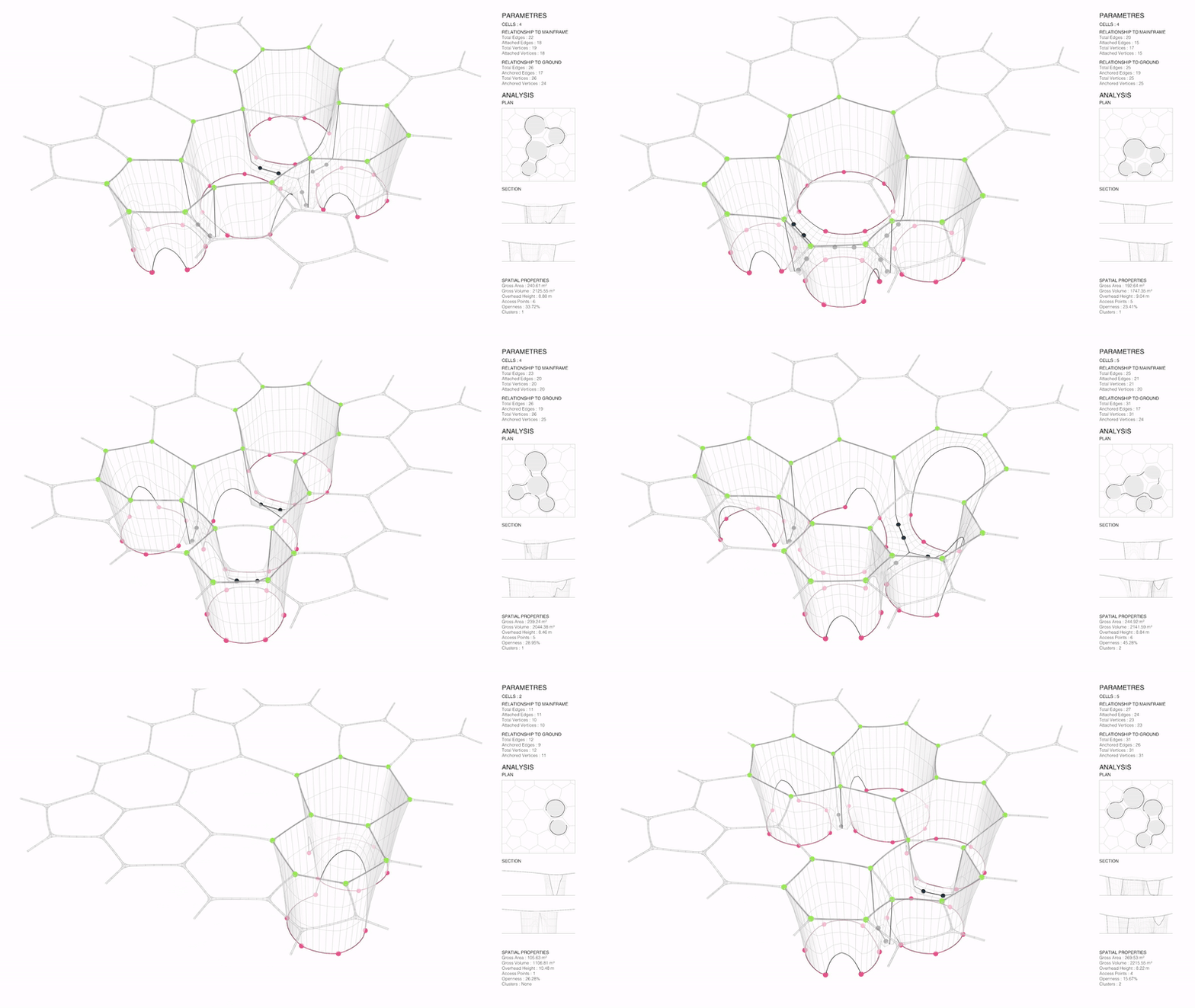
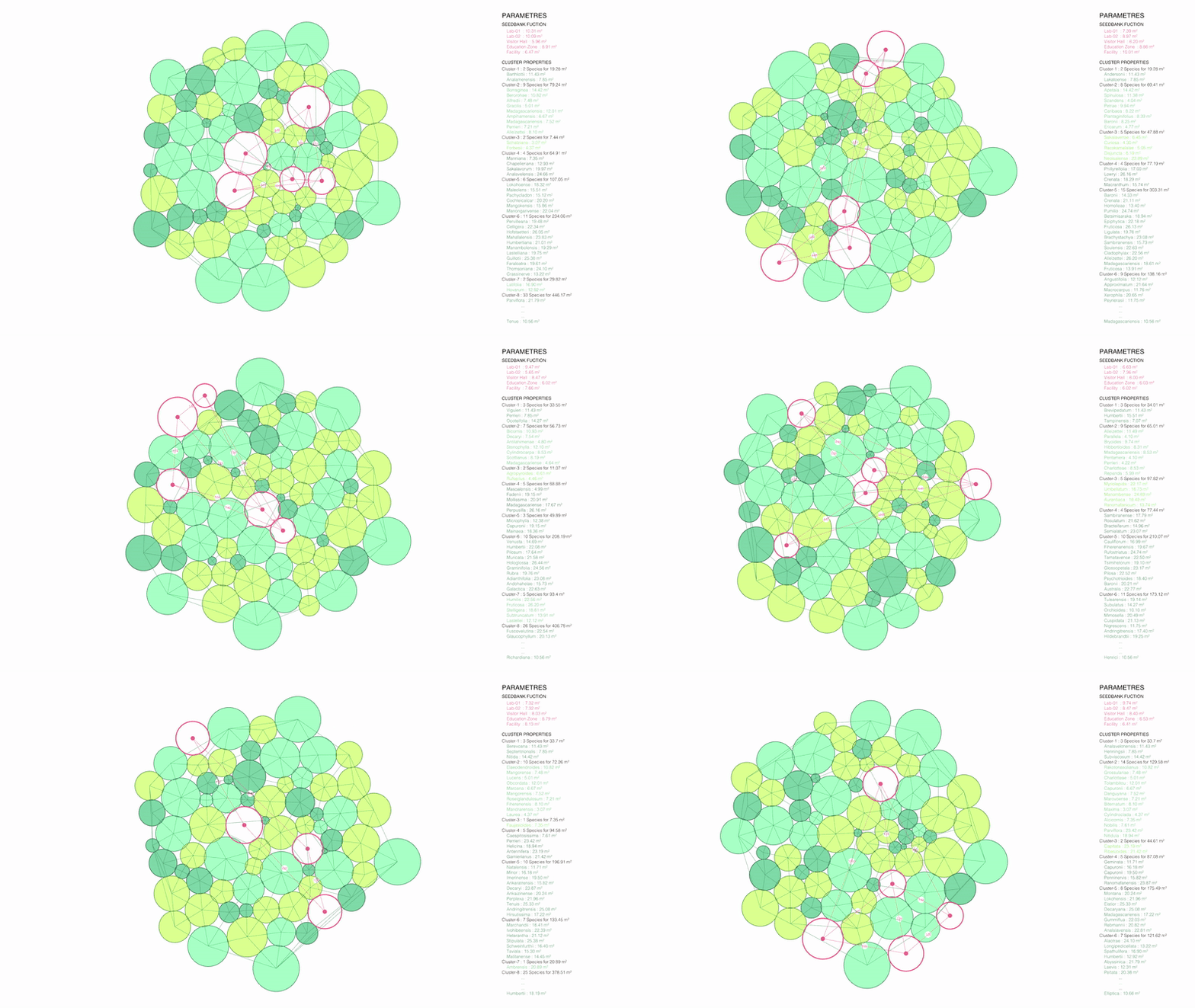
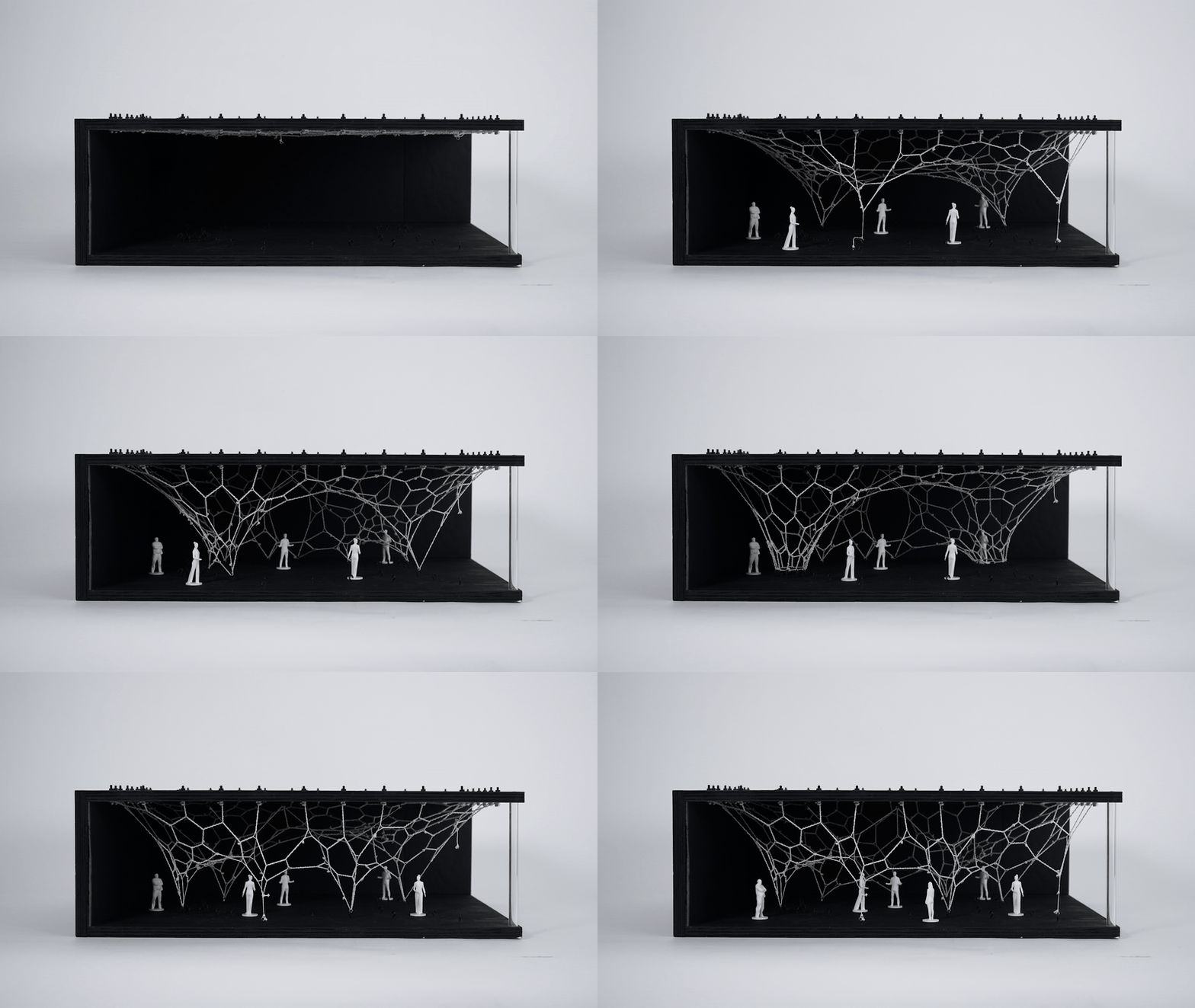
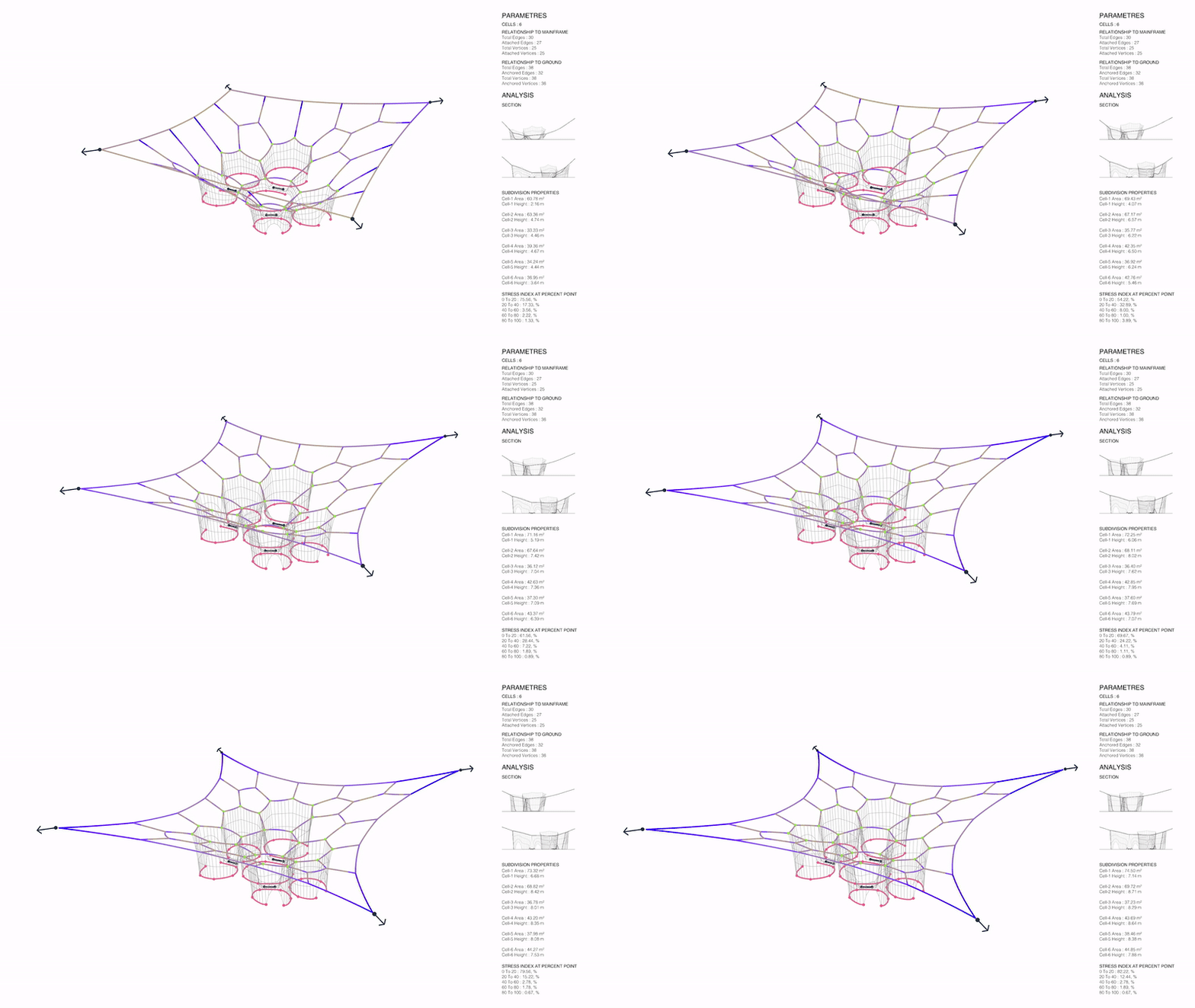
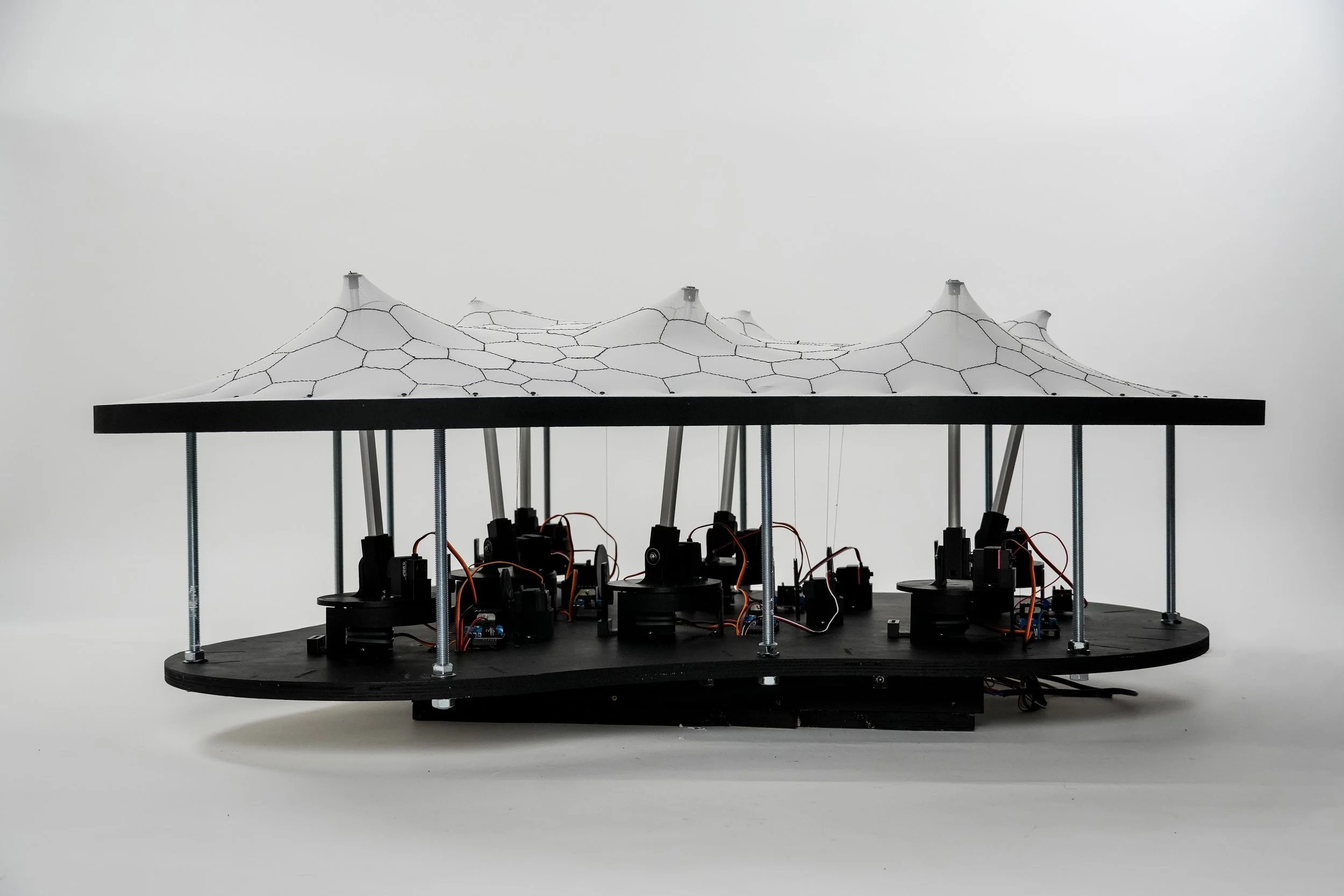
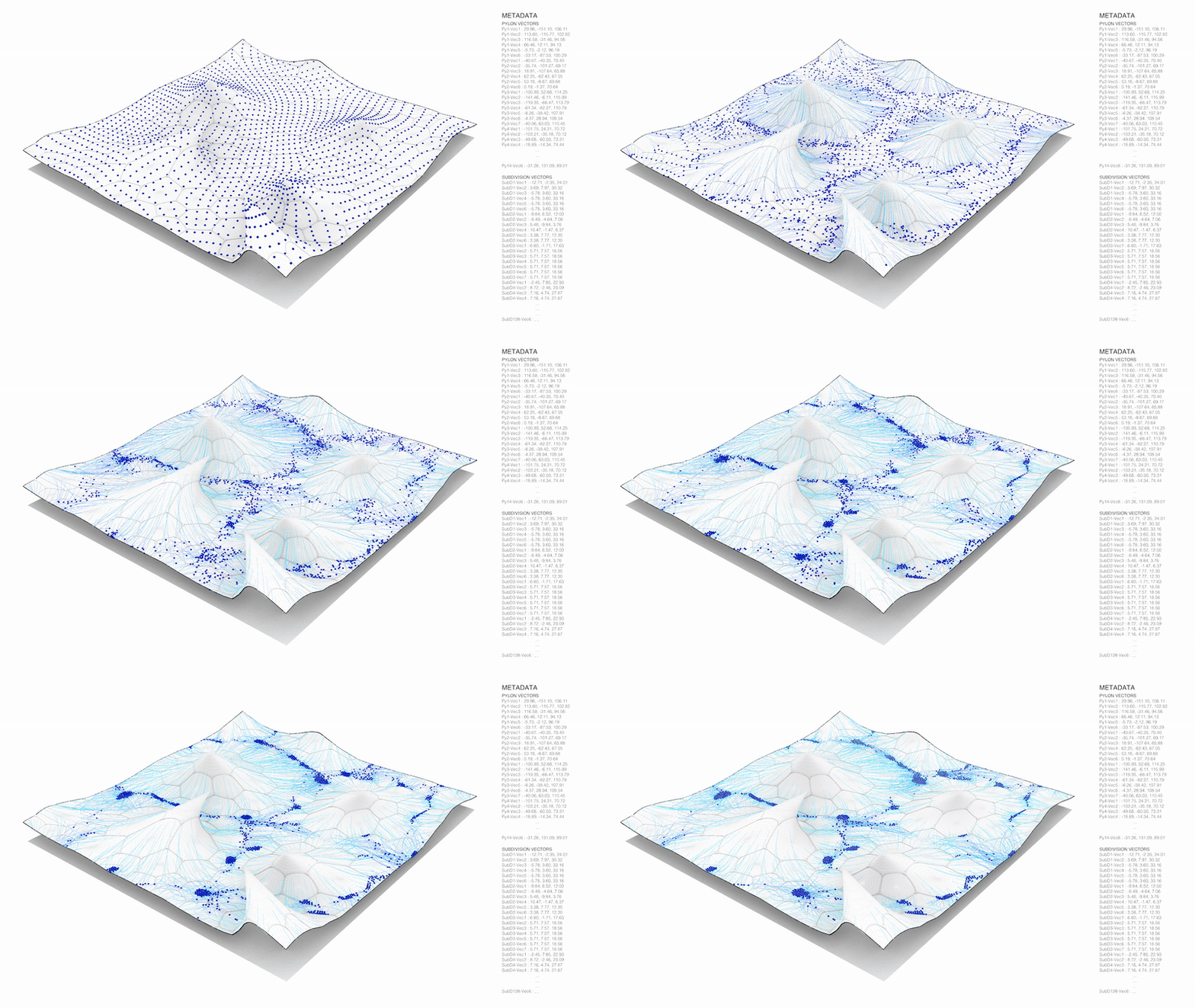
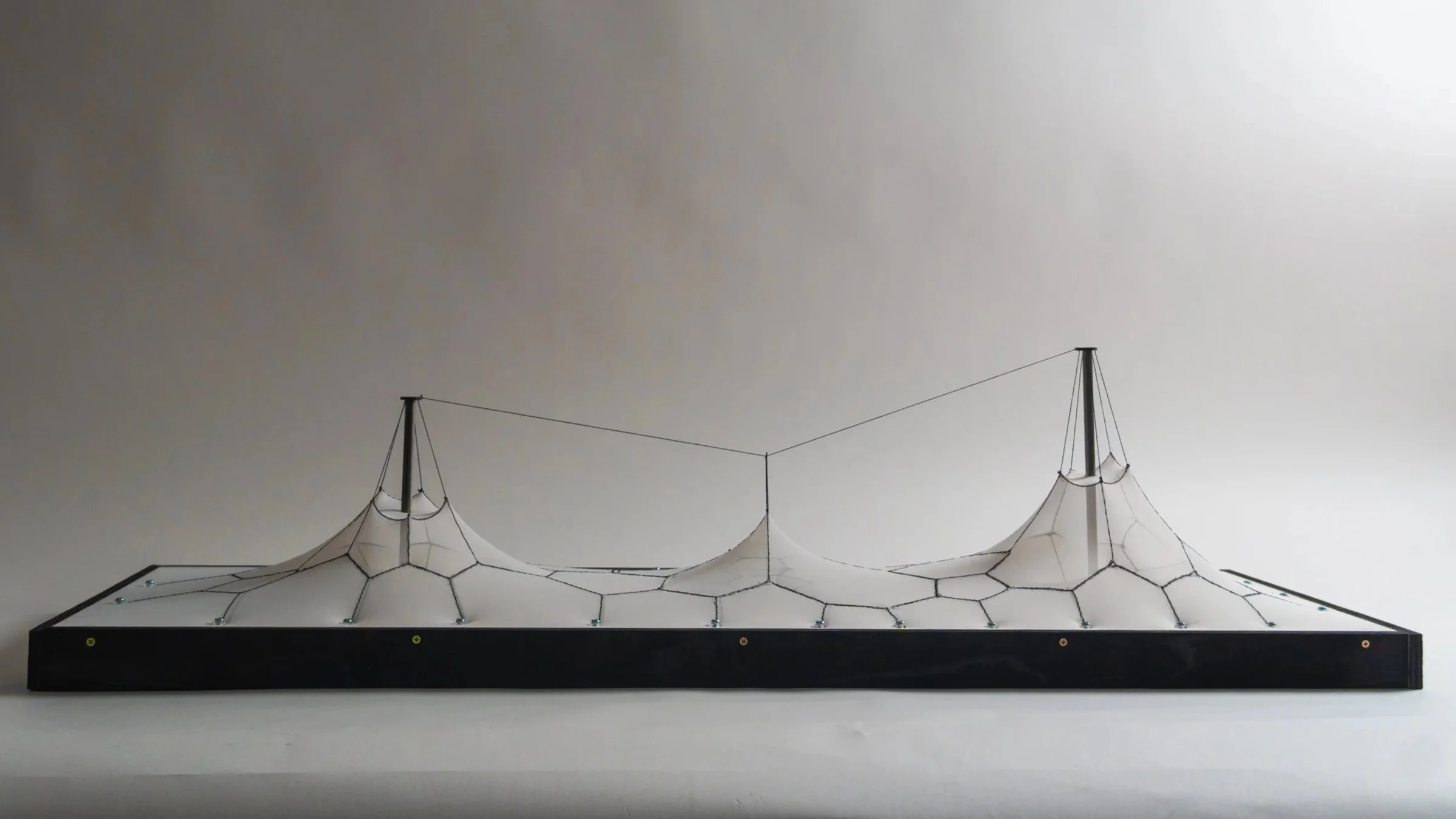
Our project emerges from the Everything Intelligence agenda, which reframes architecture as an active mediator between multiple forms of intelligence in response to planetary crisis. Intelligence is understood not only as artificial, algorithmic capacity, but as the ability to adapt, learn, and sustain life under changing conditions. While contemporary discourse often privileges artificial intelligence as a dominant problem-solving tool, this project argues that such systems remain fundamentally human-centric and incomplete when detached from ecological intelligence embedded in natural systems. At the core of the research is the seed: a compact vessel of genetic intelligence capable of carrying adaptive knowledge across millennia. If artificial intelligence encodes data in digital bytes, seeds encode life itself. Yet while climate change, deforestation, and temperature anomalies are made visible through charts and models, the genetic intelligence of seeds remains largely invisible and culturally disconnected, despite the fact that over 40% of global plant species are projected to face extinction. This project asks how architecture can make this hidden intelligence legible, operational, and materially active. The proposal reimagines the seed bank as a co-intelligent infrastructure rather than a passive archive. Traditional seed banks function as static vaults, preserving biodiversity for a distant future while ecological collapse accelerates in the present. In contrast, this project envisions an adaptive, transparent, and publicly accessible system that integrates genetic data from seeds with digital ecological datasets. Drawing on sources such as the IUCN Red List, environmental data is processed through AI prediction and clustering models to identify vulnerable species and organise them into microclimatic groups. Architecturally, the project extends the lineage of long-span ecological enclosures pioneered by the work of Frei Otto, while overcoming their limitations through controllable subdivision. Computational strategies generate adaptive structures capable of spanning, clustering, and reconfiguring in response to live data. The result is a temporal architecture that operates as a living interface between artificial and natural intelligence preserving, activating, and regenerating life at planetary scale.